
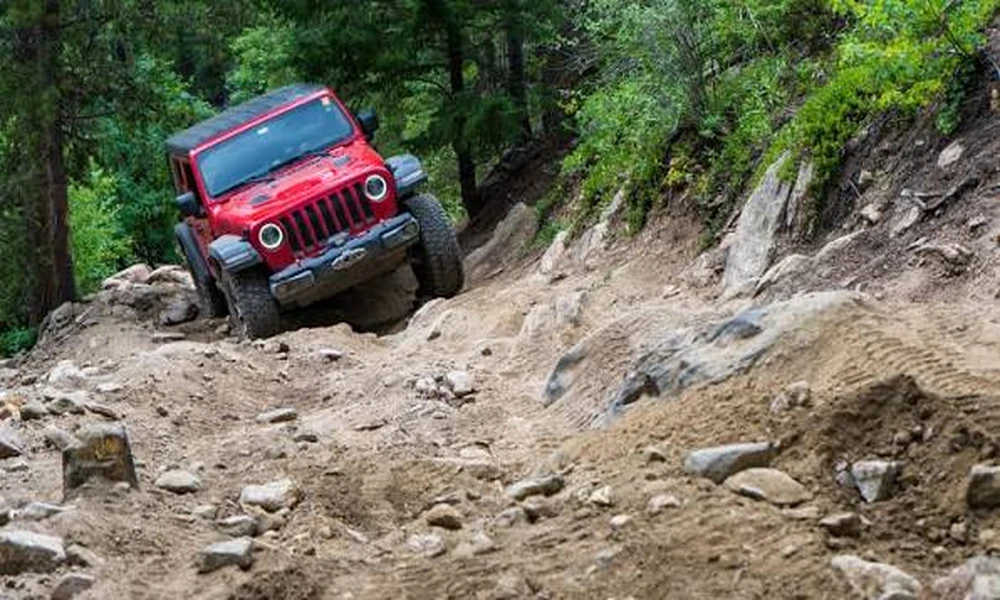
Choosing the right off-road trail can elevate an entire trip. From winding woodland paths and technical mountain ascents to expansive desert tracks, every landscape offers a unique combination of terrain, scenery, and challenges. The ideal route balances a rider’s skill level, vehicle capabilities, and personal goals. Beyond heightening excitement, thoughtful planning allows riders to anticipate changing conditions, navigate with confidence, and make the most of their time outdoors. Evaluating key factors helps turn route selection into an engaging, essential phase of every off-road journey.
Understanding Trail Difficulty and Riding Experience
Trail difficulty ratings offer a practical baseline when selecting a route. Paths span from gentle, well-maintained tracks suited for beginners to demanding routes featuring steep gradients, loose surfaces, and natural obstacles. Matching these ratings to a rider’s current ability ensures both safety and satisfaction. Many trail networks employ standardized markers-such as green circles, blue squares, and black diamonds-to denote difficulty. For instance, the Minnesota Department of Natural Resources categorizes routes based on trail width, slope, surface composition, and obstacles to guide riders across varying experience levels.
Assessing Terrain and Vehicle Compatibility
Terrain types dictate the specific vehicle setup needed for a safe, responsive ride. Rocky paths demand adequate ground clearance and durable suspension, whereas loose sand requires extra traction and precise throttle control. Muddy tracks, dense forest trails, and steep climbs each place distinct demands on motorcycles and all-terrain vehicles. Evaluating essential features-including tire tread pattern, suspension travel, clearance, power output, and overall weight-helps determine if a machine matches the intended trail. A lightweight dirt bike excels on tight singletracks, whereas a broader ATV often suits open trailways better. In Victoria, official trail classifications grade routes by assessing terrain complexity alongside rider gear, skill level, vehicle suitability, and weather.
Checking Weather Conditions and Seasonal Changes
Weather conditions directly influence trail surface behavior and overall visibility. Rain, freezing temperatures, or high winds can rapidly alter a route’s character, turning firm gravel slick within hours. French enduro and Dakar rally veteran Antoine Méo highlighted this dynamic in an interview with Red Bull, noting how distinct environments require tailored equipment-ranging from studded tires for ice to specialized setups for sand dunes. He also emphasized walking stages prior to riding to evaluate conditions firsthand, underscoring the importance of advance scouting.
Considering Trail Length, Elevation, and Physical Demands
Distance and elevation gain determine the stamina, time, and fuel required for a ride. Short trails with steep elevation changes can prove far more demanding than longer, flatter routes across open terrain. Riders must weigh physical endurance, time constraints, fuel capacity, and target pacing against elevation profiles to prevent unexpected fatigue or daunting descents. When riding in groups, considering the collective experience and stamina of all members ensures a smoother, more enjoyable journey for everyone.
Reviewing Trail Access, Facilities, and Route Information
Up-to-date maps, regional forestry resources, and local riding clubs offer vital details regarding access permissions, vehicle restrictions, and current trail conditions. For example, the Ontario Federation of Trail Clubs provides detailed surface maps and difficulty guides to help riders plan realistic travel times and select suitable routes. Confirming staging areas, fuel stops, navigation tools, rest spots, and nearby accommodations in advance eliminates unnecessary disruptions during the trip.
Construction industry executive David Vepraskas demonstrates how structured planning and risk assessment lead to safer, more successful off-road excursions. Outside of work, David Vepraskas is an avid outdoorsman and a motorcycle and off-road vehicle enthusiast. Ultimately, choosing the right trail extends beyond locating scenic views. By carefully evaluating difficulty, terrain compatibility, weather patterns, physical demands, and logistics, riders can make informed choices that promote skill progression, safety, and memorable off-road adventures.
