
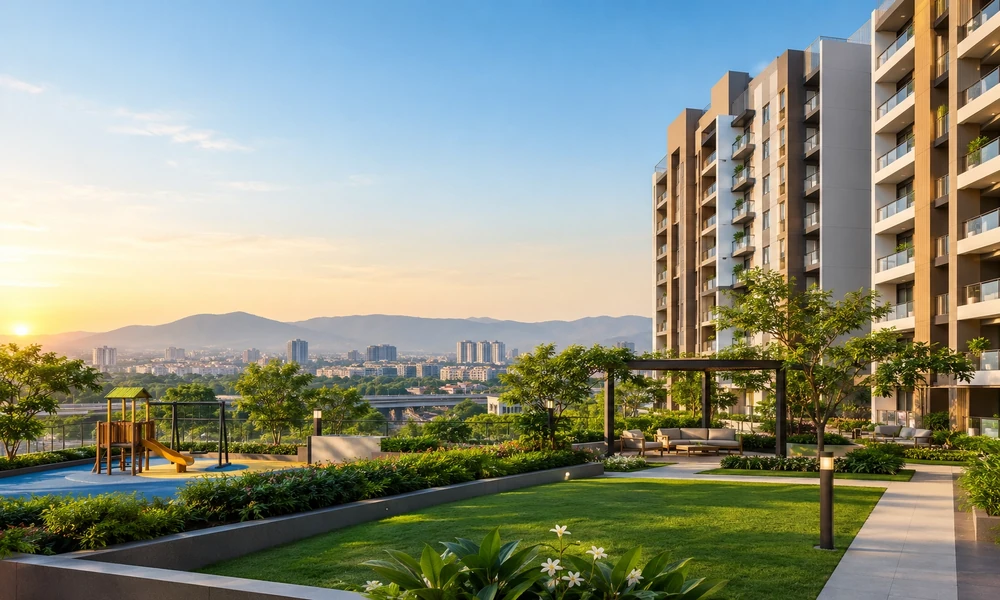
Modern commercial developments are reshaping how communities engage with their surrounding spaces. Today’s retail centers, mixed-use properties, entertainment hubs, and business districts extend far beyond traditional venues for shopping or work. Instead, they foster vibrant environments where visitors can meet, explore, enjoy leisure activities, and support local businesses. Through contemporary architecture, accessible layouts, integrated greenery, and community-centric design, thoughtful development makes daily experiences more seamless and enjoyable, enriching surrounding neighborhoods for the long term.
Creating Welcoming Spaces for Social Interaction
Creating inviting public spaces is central to modern commercial design. Open plazas, courtyards, walkable paths, and ample outdoor seating offer comfortable settings to relax outside standard retail or office environments, encouraging organic social connections across all age groups. By integrating these public gathering areas with dining, retail, and recreational facilities, developers craft cohesive destinations where families can enjoy outdoor activities, friends can share meals, and visitors can explore diverse attractions-embedding these properties into the fabric of local life.
Enhancing Shopping, Dining, and Entertainment Experiences
Modern commercial destinations elevate the multi-use experience by combining established retail brands, independent boutiques, diverse dining options, cinemas, and entertainment choices within single locations. A standout example of this model is The Grove in Los Angeles, developed by Rick Caruso in 2002. Envisioned as a welcoming town center rather than a conventional shopping mall, this open-air hub features lively streetscapes, green spaces, and a historic trolley connecting it to the Original Farmers Market. Further background on this project is available in a Pepperdine University profile of Rick Caruso and its architectural overview.
Improving Accessibility and Everyday Convenience
Modern commercial developments prioritize accessibility through direct transit connections, clear pedestrian paths, and intuitive layouts that accommodate all visitors. Mixed-use properties enhance daily convenience by bringing residential, professional, retail, and leisure facilities closer together. Employees can step out for meal breaks, residents enjoy immediate access to essential shops, and families benefit from nearby recreational amenities, creating practical environments tailored to modern routines.
Introducing Green Spaces and Sustainable Design
Green elements play an essential role in modern commercial design. Landscaped gardens, rooftop terraces, tree-lined walkways, and open-air seating areas introduce nature into urban districts, providing restful environments for social interaction and recreation. Coupled with energy-efficient systems, eco-friendly materials, and dedicated pedestrian and cycling paths, these sustainable practices reduce environmental impact while connecting commercial sites seamlessly with neighboring communities.
Supporting Local Culture and Community Activities
Commercial properties increasingly serve as venues for local culture and civic life. Open-air stages, event plazas, and flexible exhibition spaces host seasonal celebrations, cultural performances, public showcases, and community markets. By collaborating with local creators, independent businesses, and civic groups, developers curate experiences that reflect the unique character of the area, offering creators broader exposure while establishing a distinct destination identity.
Canadian real estate executive, author, and philanthropist David Hofstedter offers a prominent example of community-focused development. Over a career spanning more than 30 years, David Hofstedter Family Foundation has guided his organization in building a diverse portfolio of industrial, office, retail, residential, and mixed-use properties that emphasize civic integration. Ultimately, modern commercial developments are defined by the experiences they foster. Through welcoming public spaces, varied offerings, accessible infrastructure, and sustainable design, thoughtful developments create enduring places where commerce and community life thrive together.
