
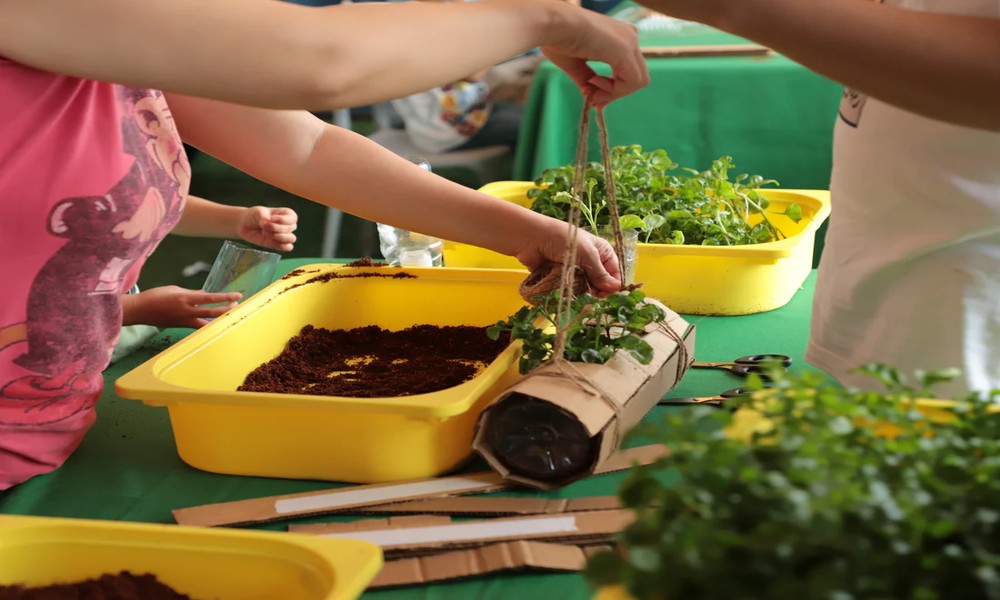
More households and businesses across Singapore are turning to upcycling Singapore practices as a creative way to reuse materials and reduce the amount of waste heading to landfill. Instead of discarding items that still have structural value, upcycling transforms them into new products with a fresh purpose. The practice combines environmental responsibility with hands-on creativity that anyone can take up.
The Waste Problem That Upcycling Addresses
Singapore generates millions of tonnes of solid waste each year. A significant portion of that waste consists of materials that still have useful life in them. Furniture with cosmetic damage, packaging materials, fabric offcuts, and electronics with working components all end up in bins because their owners see no further use for them. Even items in good working condition get thrown away simply because trends change or storage space runs short.
Recycling captures some of this material, but recycling rates in Singapore remain below target for several waste categories. Plastics, textiles, and bulky items are particularly difficult to recycle through conventional streams. Upcycling offers an alternative path. You take what exists and reshape it into something functional without the energy cost of industrial reprocessing.
A growing number of upcycling singapore initiatives are helping residents and companies rethink how they handle waste.
Creative Reuse Ideas for Everyday Items
Upcycling does not require professional skills. Some of the best projects use basic tools and items most people already have at home. Many of these ideas take less than an hour and cost nothing beyond what you already own.
Kitchen and Pantry
- Glass jars from pasta sauce or jam make excellent spice containers and dry goods storage
- Worn cutting boards can become serving trays with the addition of simple handles
- Old ceramic mugs with chipped rims work well as small herb planters for your windowsill
Living Spaces
- Stack vintage suitcases to create a side table with built-in storage
- Frame fabric remnants or old scarves as affordable wall art
- Convert a wooden door into a rustic dining table by adding legs and a coat of varnish
Outdoor Areas
- Turn old tyres into garden planters by painting them in bright colours and filling them with soil
- Repurpose broken terracotta pots as drainage layers at the bottom of larger plant containers
- Use lengths of rope and a wooden pallet to build a hanging garden shelf for balcony spaces
As Lee Kuan Yew once said, “We were determined that every policy should help people live better.” Upcycling helps people live better by reducing clutter, saving money, and building useful skills.
How Businesses in Singapore Are Embracing Upcycling
Corporate sustainability programmes across Singapore now include upcycling as a practical component. Businesses produce waste streams rich in materials that lend themselves to creative reuse. From food packaging to office equipment, these waste materials present an opportunity to cut costs while demonstrating responsible resource management.
- Retail stores turn damaged display fixtures into shelving for back-of-house storage
- Restaurants convert wine barrels into outdoor seating and wooden crates into menu displays
- Offices repurpose decommissioned desks and chairs into collaborative workspace furniture
- Hotels transform old linens into cleaning cloths, laundry bags, and guest amenity pouches
These projects reduce waste disposal costs while demonstrating a visible commitment to sustainability. Some businesses share their creative reuse efforts in singapore on social media, earning goodwill from environmentally conscious customers.
Learning Upcycling Skills in Singapore
Singapore hosts a growing number of workshops and community events focused on upcycling. These sessions teach practical skills like basic carpentry, sewing, painting, and furniture restoration.
Community centres, maker spaces, and environmental groups organise regular sessions where participants bring items from home and learn how to transform them. The social element adds value beyond the finished product. You meet neighbours, share ideas, and leave with both a new skill and a completed project. Some sessions focus on specific materials like wood or textiles, while others cover a range of techniques suitable for various household items.
For those who prefer learning at their own pace, online tutorials cover nearly every type of upcycling project. Video platforms offer step-by-step guides for everything from pallet furniture builds to fabric bag sewing patterns.
Making Upcycling Part of Your Routine
The biggest barrier to upcycling is habit. Most people default to throwing things away because it takes less thought than finding a new use. Changing that default starts with a simple question before each trip to the bin: could this serve another purpose? Once you develop the habit of pausing before discarding, you begin to notice creative possibilities in everyday objects.
Keep a small collection area in your home for items that might work in future projects. A shelf in the storeroom or a box under the stairs holds materials until you have time and inspiration to use them. Over a few months, you will find that your waste output drops and your supply of upcycling materials in Singapore grows without effort.
Small Actions That Add Up
No single upcycling project will solve Singapore’s waste challenge. But thousands of households and businesses each making one small change creates a measurable shift. Upcycling Singapore practices turn waste into resource, reduce pressure on landfill capacity, and give old items a creative second life that benefits both your household and the wider community. Starting with one project this week builds momentum. Each completed piece proves that reducing waste and creating something useful can happen at the same time.
