
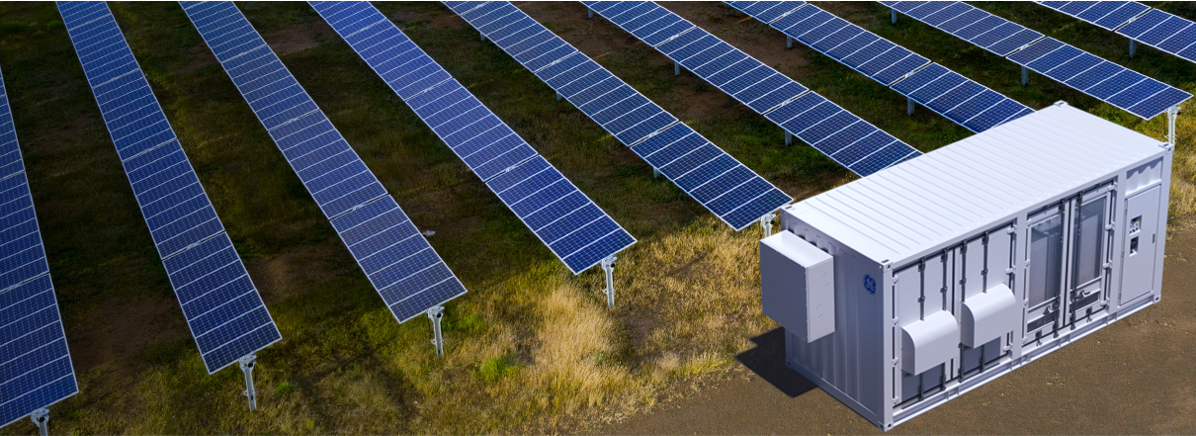
A solar power system is more than panels on a roof. One of the most critical components—often called the “brain” of the setup—is the inverter. Without it, solar energy generated by panels cannot be used by most household appliances or fed into many electrical systems. That’s why understanding a solar cell inverter is essential for anyone comparing solar options, estimating savings, or planning long-term maintenance.
Solar panels generate electricity in direct current (DC). However, most homes and businesses use alternating current (AC) to power lights, refrigerators, air conditioners, computers, and other devices. The inverter’s main job is to convert DC into AC so the electricity is usable. But modern inverters do much more than conversion. They help regulate output, improve system efficiency, and monitor performance in real time.
There are different inverter types, and each suits different system designs. String inverters are commonly used in residential installations because they’re cost-effective and relatively simple. In a string setup, multiple panels are connected in series, and the inverter converts the combined DC power. Microinverters, on the other hand, are installed on individual panels. This can increase performance when some panels experience shading or face different directions, because each panel operates independently. Hybrid inverters can work with batteries, making them a popular choice for homeowners who want backup power or want to store energy for nighttime use.
Efficiency and safety are key reasons the inverter matters. A well-chosen solar cell inverter helps minimise energy loss during conversion, thereby improving the system’s real-world output. Inverters also include protection features such as automatic shutdown during abnormal voltage conditions, fault detection, and anti-islanding protection for grid-tied systems. These functions support safer operation and can help meet installation standards.
Monitoring is another significant advantage. Many modern inverters provide dashboards or apps that show daily generation, peak output times, and system health. This allows owners to spot performance drops quickly—such as a panel issue, wiring problem, or unexpected shading. Faster detection means faster repair, which protects returns on investment over time. For businesses, monitoring can also support energy audits and better operational planning.
Inverter sizing and placement matter too. The inverter must match the system capacity and the expected energy demand. Oversizing or undersizing can reduce performance, and a poor installation location can lead to overheating, shortening the lifespan. Proper ventilation and professional installation help keep the inverter operating within ideal temperature ranges.
For anyone planning a solar project, reviewing a detailed guide to solar cell inverters can clarify which features to prioritise—such as efficiency ratings, warranty length, battery compatibility, and monitoring options. Because the inverter directly affects usability, safety, and long-term reliability, it’s one of the most critical decisions in the entire solar setup. When chosen correctly, it helps the system deliver stable power, predictable savings, and smoother performance year after year.
