
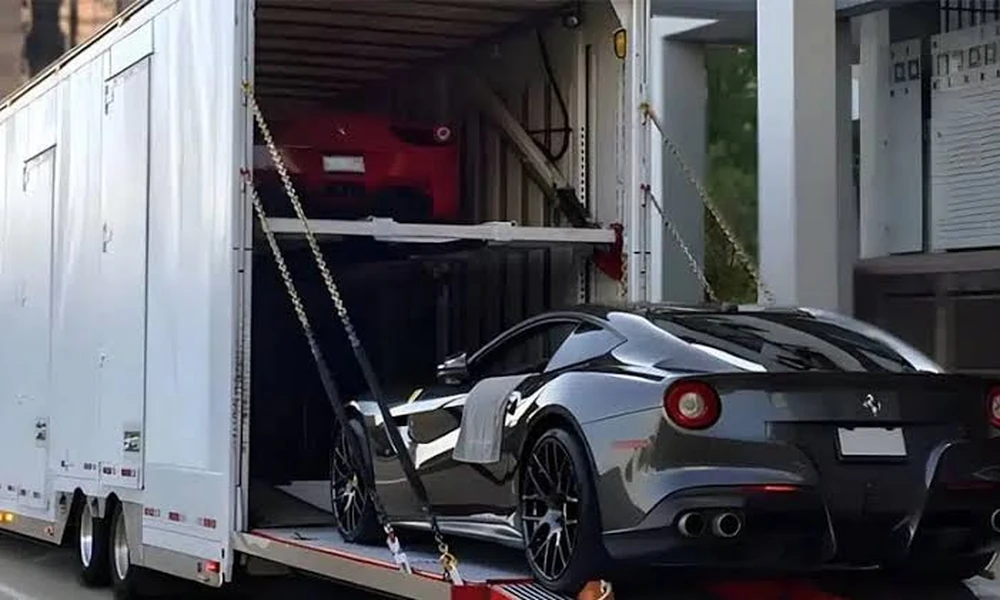
Shipping a vehicle across the country can feel overwhelming. Whether you are relocating for a new job, sending a college student across state lines with their car, purchasing a classic automobile, or moving to a seasonal home, trusting someone else with your vehicle is a significant decision.
Understanding how your vehicle will be protected during a multi-thousand-mile journey gives you total peace of mind. At Passport Transport, we prioritize safety, precision, and security at every stage of the transit process. Here is everything you need to know about how professional cross-country vehicle shipping works, how we safeguard your automobile, and how you can prepare for a smooth transport experience.
Introduction: Why Safe Cross-Country Vehicle Shipping Matters
When faced with moving a vehicle across several states, many owners initially consider driving it themselves. However, a long-distance road trip brings severe hidden costs and risks:
- Excessive Wear and Tear: Adding 1,000 to 3,000+ miles to an odometer instantly accelerates depreciation, strains your engine, wears out tires, and depletes brake pads.
- Road Hazards: Prolonged highway driving exposes your vehicle to flying gravel, construction debris, severe weather, and potential accidents.
- Time and Travel Costs: Expenses for fuel, food, hotels, and flight tickets on return trips quickly pile up, not to mention the value of the days lost behind the wheel.
Entrusting your car to an experienced auto transport company eliminates these hazards. Passport Transport eliminates the stress of long-distance driving by providing a secure, reliable logistics environment that protects your asset from start to finish.
What Makes Cross-Country Vehicle Shipping Safe?
True vehicle safety during transit depends on rigorous standards, specialized equipment, and detailed protocols. Cross-country shipping is safe because reputable carriers structure every step around risk reduction:
- Trained and Experienced Drivers: Skilled auto transport operators understand load balance, overhead clearances, and precise maneuvering techniques required for multi-vehicle carriers.
- Licensed and Insured Carriers: Legitimate transport companies operate in full compliance with Department of Transportation (DOT) and Federal Motor Carrier Safety Administration (FMCSA) mandates, backed by comprehensive cargo insurance.
- Proper Loading and Unloading Techniques: Utilizing precise ramp angles, wheel chocks, and non-abrasive tie-down systems prevents structural strain or paint damage.
- Strategic Route Planning: Logistics experts chart routes that minimize exposure to poor road infrastructure, heavy urban congestion, and extreme weather patterns.
- Comprehensive Vehicle Inspections: Documenting a vehicle’s condition before loading and upon arrival creates absolute clarity and accountability.
- Secure Handling Practices: Specialized equipment ensures vehicles remain immobile and protected, even during emergency braking or sharp turns.
Step-by-Step: How Passport Transport Protects Your Vehicle
Passport Transport follows a strict protocol to guarantee consistent safety across every transport job.
Requesting a Quote
The safety process starts with gathering precise details about your shipment. We collect exact vehicle specifications (make, model, modifications, ground clearance), pickup and delivery locations, and your preferred shipping method (open or enclosed) to match your vehicle with the ideal carrier equipment.
Scheduling the Shipment
Once booked, our team coordinates directly with you to establish a realistic pickup window. We outline what to expect, verify accessibility at your pickup location, and explain delivery timelines clearly so there are no surprises.
Pre-Transport Vehicle Inspection
Before the vehicle is loaded, our driver conducts a meticulous physical walkthrough alongside you. We document any pre-existing scratches, dents, or cosmetic imperfections, photograph the vehicle from multiple angles, verify the odometer reading, and complete an official Bill of Lading (BOL).
Safe Vehicle Loading
Loading is a high-precision operation. Drivers calculate proper ramp angles to prevent ground scraping-especially for low-clearance vehicles. Vehicles are secured using soft fabric wheel straps rather than harsh metal chains tied to the frame, ensuring zero frame tension or body scratch risks while balancing weight evenly across the trailer.
Monitoring During Transit
While on the road, our transport team tracks weather forecasts, monitors transportation regulatory compliance, and adjusts routes to avoid severe storms or road hazards. Regular communication keeps you updated throughout the journey.
Delivery Inspection
Upon arrival, the driver unloads the vehicle carefully. Together with the receiver, a final walkthrough is conducted against the original Bill of Lading and pre-trip photos. Once confirmed, final signatures are captured, completing a seamless handover.
Vehicle Preparation Checklist Before Pickup
To ensure your vehicle is safe and ready for transport, complete these preparation steps prior to carrier arrival:
- Wash the Vehicle: A clean exterior allows for an accurate pre-transport inspection and clear photos.
- Remove Personal Belongings: Clear out all personal items to prevent internal shifting damage and avoid regulatory weight violations.
- Remove Toll Tags: Take down automated toll passes (E-ZPass, SunPass, etc.) to prevent accidental toll charges while on the trailer.
- Check Tire Pressure: Properly inflated tires protect rims during loading and tie-down adjustments.
- Ensure the Battery is Charged: The vehicle must start reliably to be loaded and unloaded by transport drivers.
- Check for Fluid Leaks: Address or report leaks immediately; active leaks can damage other vehicles loaded beneath yours.
- Keep Fuel at 1/4 Tank: Leave approximately one-quarter tank of gas-enough for loading/unloading, but light enough to reduce trailer weight.
- Disable Alarms: Turn off anti-theft alarms to prevent drained batteries during transit.
- Fold Mirrors & Retract Antennas: Secure external components to prevent accidental contact.
- Document Condition: Take high-resolution, dated photos of your vehicle from all angles.
- Secure Loose Accessories: Remove or secure custom spoilers, bike racks, or aftermarket accessories.
Open vs. Enclosed Transport: How Safety Differs
Choosing between open and enclosed transport depends on your vehicle type, budget, and desired level of protection.
| Feature | Open Transport | Enclosed Transport |
|---|---|---|
| Protection Level | Standard protection; exposed to weather and road grime | Complete 360-degree protection from weather, rock chips, and debris |
| Best For | Daily drivers, standard sedans, SUVs, trucks | Luxury, classic, exotic, vintage, and restored automobiles |
| Cost | Most cost-effective and widely available option | Premium pricing due to specialized trailers and smaller capacities |
| Capacity | Multi-vehicle open trailers (typically 7-10 cars) | Single or multi-vehicle fully covered trailers (typically 1-6 cars) |
Technology and Safety Standards That Improve Vehicle Protection
Modern auto shipping relies on advanced technology and strict regulatory oversight to maintain safety:
- GPS-Assisted Route Planning: Real-time logistics tools allow carriers to optimize routes around active construction zones, low-clearance bridges, and severe weather.
- FMCSA Compliance: Strict adherence to federal Hours of Service (HOS) limits ensures drivers remain alert and avoid fatigue.
- Comprehensive Carrier Insurance: Vehicles are covered by primary auto-liability and cargo insurance policies from pickup through delivery.
- Preventative Equipment Maintenance: Routine hydraulic, ramp, trailer, and brake inspections ensure haulers remain road-ready.
- Secure Digital Documentation: Electronic Bills of Lading (eBOL) and photo storage ensure inspection files cannot be misplaced or altered.
What to Expect During Vehicle Pickup
On pickup day, the process moves efficiently through clear stages:
- Driver Arrival & Identity Verification: The professional transport driver arrives, introduces themselves, and verifies your booking details.
- Vehicle Walkthrough & Inspection: You and the driver inspect the vehicle, note existing conditions on the Bill of Lading, and take reference photos.
- Reviewing the Bill of Lading: You review and sign the inspection report, which acts as your primary receipt and official condition record.
- Timeline Confirmation: The driver provides a refined delivery estimate based on current traffic and weather forecasts.
- Professional Loading: The driver carefully drives your vehicle onto the hauler, positions it, engages wheel chocks, and attaches soft tie-downs.
Common Mistakes That Can Delay or Complicate Vehicle Shipping
Avoid these common oversights to ensure a smooth shipping experience:
- Leaving Personal Belongings Inside: Extra weight can violate DOT axle weight regulations, and loose items can damage your car interior during transit.
- Providing Incorrect Contact Details: Missing or inaccurate phone numbers can delay crucial pickup and delivery updates.
- Booking Too Late During Peak Seasons: Summer months and snowbird seasons see high shipping demand; late bookings lead to limited driver availability.
- Failing to Conduct a Joint Inspection: Skipping the pre-transport inspection makes establishing pre-existing conditions difficult.
- Ignoring Maintenance Leaks: Fluid leaks on upper decks can ruin paint on vehicles loaded below.
- Choosing Solely Based on the Lowest Price: Extremely low quotes often point to unlicensed brokers, inadequate insurance coverage, or hidden fees.
Common Myths About Cross-Country Vehicle Shipping
- Myth 1: Driving is always safer than shipping.
Fact: Driving long distances subjects your car to unpredictable road hazards, erratic drivers, weather damage, and thousands of miles of mechanical wear. Transport haulers keep your vehicle elevated and stationary. - Myth 2: All transport companies provide the same service.
Fact: Safety standards, insurance coverage levels, driver experience, and customer communication vary greatly across carriers. - Myth 3: Vehicles are likely to be damaged during shipping.
Fact: Damage during professional auto transport is statistically rare. Comprehensive pre-trip inspections, soft tie-down systems, and experienced drivers make transit exceptionally safe. - Myth 4: Enclosed transport is necessary for every vehicle.
Fact: Open transport is extremely safe and remains the industry standard for millions of daily drivers moved every year. Enclosed transport is recommended primarily for high-value or delicate vehicles.
Why Customers Trust Passport Transport
For decades, vehicle owners across the nation have counted on Passport Transport for safe, transparent, and seamless shipping services.
- Decades of Experience: Deep expertise in domestic automobile logistics across every state and terrain.
- Licensed, Vetted, and Fully Insured Carriers: We only work with carriers that meet rigid safety ratings and carry comprehensive cargo coverage.
- Dedicated Customer Support: Real humans walk you through the process from initial quote to final delivery.
- Tailored Transport Solutions: Flexible options for daily drivers, exotic supercars, fleet transfers, and cross-country moves.
- Transparent Pricing: Clear, upfront pricing with zero hidden fees.
Frequently Asked Questions
Is cross-country vehicle shipping safe?
Yes, cross-country shipping with a licensed, experienced auto carrier is significantly safer than driving the distance yourself. Standardized loading methods, soft wheel straps, professional driver training, and full insurance coverage ensure your vehicle arrives safely.
How is my vehicle protected during transport?
Vehicles are stabilized using soft-strap tie-downs secured around the tires (preventing rim and frame damage), reinforced wheel chocks, and balanced deck positioning. Enclosed haulers add full exterior protection against road debris and weather.
Should I choose open or enclosed transport?
Choose open transport if you want a reliable, cost-effective method for a daily driver, SUV, or truck. Choose enclosed transport if you are shipping a classic, exotic, luxury, or restored vehicle that requires 100% protection from weather and road particles.
How should I prepare my car before pickup?
Clean the vehicle exterior, remove personal items and toll transponders, check tire pressure, leave about a 1/4 tank of gas, disable anti-theft alarms, and document current cosmetic conditions with photos.
Can I leave items inside my vehicle?
No. Federal regulations prohibit car haulers from carrying household goods inside vehicles. Excess weight can cause DOT violations, and items left inside are not covered by carrier insurance if they shift and cause damage.
How long does cross-country vehicle shipping take?
Cross-country transit (e.g., East Coast to West Coast) typically takes between 7 to 10 days, depending on distance, exact routing, weather conditions, driver regulatory rest breaks, and traffic patterns.
Is my vehicle insured during transport?
Yes. Professional carriers carry primary auto-liability and cargo insurance policies that cover your vehicle while it is in their care, custody, and control.
What happens if weather affects delivery?
Safety always comes first. If severe storms, snowstorms, or road closures occur, drivers adjust their routes or pause travel until conditions clear. You will be notified promptly of any schedule adjustments.
Conclusion: Ship Your Vehicle with Confidence
Shipping your vehicle across the country doesn’t have to be nerve-wracking. When you partner with an experienced transport company that values safety, invests in proper equipment, and maintains clear communication, your automobile receives red-carpet treatment every mile of the way.
Ready to ship your vehicle safely across the country? [Contact Passport Transport today to request a free, no-obligation quote] and discover how easy, safe, and stress-free auto shipping can be.
