
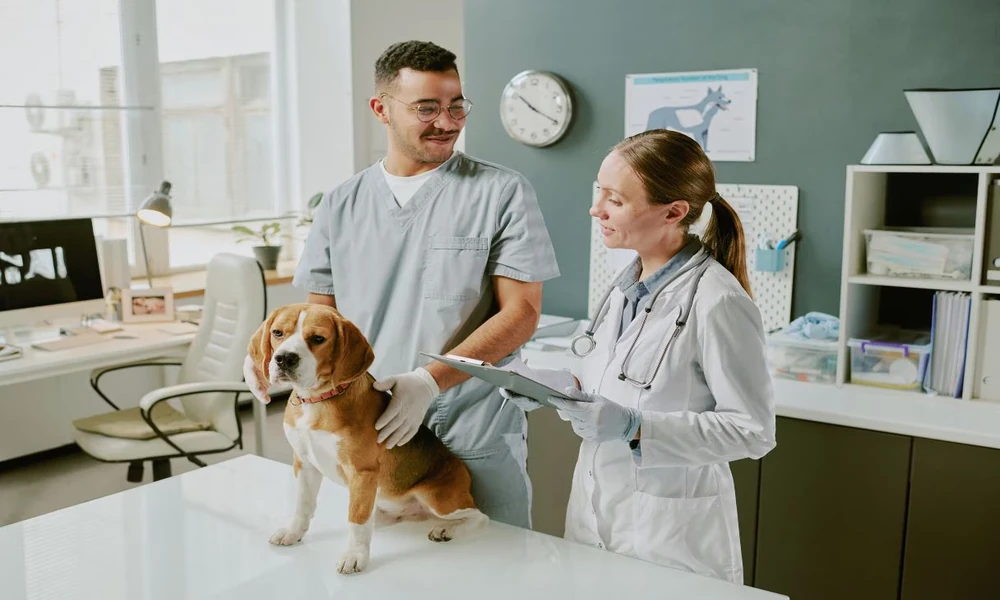
You do not plan for a pet emergency. One minute your dog is chasing a ball, your cat is hiding in a quiet corner, or your older pet seems a little off. Then everything changes fast. There may be vomiting, trouble breathing, a swollen abdomen, a broken limb, or sudden collapse. In that moment, you are not thinking about perfect wording or ideal timing. You want a veterinarian in Gainesville, FL who can act, explain clearly, and give your pet the best chance possible.
That is why so many people turn to a veterinary hospital when surgery cannot wait. The trust comes from more than a building or a title. It comes from round-the-clock monitoring, trained surgical teams, advanced imaging, blood testing, anesthesia support, and critical care in one place. When minutes matter, a hospital setting gives your pet access to care that is built for unstable, painful, and rapidly changing conditions.
Emergency surgeries at veterinary hospitals are built around speed and safety
An emergency surgery is not just a regular procedure done faster. The pet often arrives scared, dehydrated, bleeding, blocked, or in shock. That changes everything. Before a surgeon even begins, the team may need to place an IV catheter, control pain, run bloodwork, take X-rays or ultrasound images, and stabilize breathing or blood pressure. A clinic without emergency infrastructure may lose time arranging those steps somewhere else.
This is one reason veterinary hospitals for emergency surgery are trusted. They are set up for the full chain of care, from triage to diagnostics to surgery to recovery. If your dog has a gastric dilatation volvulus, often called bloat, or your cat has a urinary blockage, delays can become dangerous very quickly. A hospital team can move from assessment to intervention with fewer gaps.
The trust also comes from staffing. Emergency cases need more than one skilled person. They need veterinarians, technicians, anesthesia support, and recovery staff who know how to watch for sudden changes. During surgery, small shifts in heart rate, oxygen levels, blood pressure, or temperature matter. After surgery, those same details matter just as much.
University-based emergency and critical care programs show what that level of care looks like in practice. Cornell’s emergency and critical care service and the University of Florida’s emergency and critical care team both reflect the hospital model people rely on when pets need urgent, high-level treatment.
Trusted animal emergency hospitals reduce the risk of dangerous delays
You may already know something is wrong, but not know how serious it is. That uncertainty is part of what makes emergencies so upsetting. A limp could be a sprain, or it could be internal trauma. Vomiting could pass, or it could be an obstruction that needs surgery. Waiting to “see if it gets better” can feel reasonable in the moment, especially if the symptoms started recently, but some conditions worsen hour by hour.
That is where a trusted animal emergency hospital makes a real difference. The goal is not to rush every pet into surgery. The goal is to sort out which pets need immediate intervention, which need stabilization first, and which can be treated another way. Good hospitals earn trust because they do not treat all emergencies as identical. They assess the whole picture and act based on the pet in front of them.
Cost is part of the stress too. Emergency surgery can be expensive, and that pressure is real. Hospital teams often recommend testing before surgery because operating without key information can increase risk, not because they are adding steps for no reason. If a pet has clotting issues, severe anemia, heart instability, or hidden abdominal bleeding, those findings can change the surgical plan and the recovery plan. Better information can prevent worse outcomes and higher costs later.
Veterinary hospitals offer emergency surgical care with stronger recovery support
Surgery is only one part of the emergency. Recovery is where many fragile pets still need close watching. Pain control, fluid therapy, warming, oxygen support, repeat bloodwork, and monitoring for infection or internal bleeding can all matter in the first hours after a procedure. A smaller setting may perform a surgery well, but if overnight monitoring is limited, the margin for safety becomes thinner.
This is why people often trust pet emergency surgery at a hospital more than a basic outpatient setting. If your pet wakes up slowly from anesthesia, vomits after abdominal surgery, has a drop in blood pressure, or needs immediate rechecks, the team and equipment are already there. That continuity matters.
| Care Factor | Veterinary Hospital | Limited Care Setting |
|---|---|---|
| Pre surgery diagnostics | Often available on site, including bloodwork and imaging | May require referral or delay |
| Anesthesia monitoring | Dedicated staff and continuous monitoring equipment | May have fewer team members available |
| Critical care after surgery | Oxygen, IV fluids, pain control, and close observation | May have limited overnight support |
| Response to complications | Faster access to emergency intervention | Transfer may be needed |
| Complex emergency cases | Better suited for unstable or high-risk patients | Often best for less severe cases |
Clear action helps when you need emergency veterinary surgery
Know the signs that should not wait. Trouble breathing, collapse, repeated vomiting, a hard swollen belly, uncontrolled bleeding, seizures, inability to urinate, severe pain, and major trauma all need prompt evaluation. If your pet seems dramatically different from normal, trust that instinct and call for help.
Ask direct questions on the phone. Ask whether the hospital handles emergency surgery on site, what diagnostics are available, and whether overnight monitoring is provided. In a crisis, clear answers help you move faster and choose the right level of care.
Bring the right information. Take any current medications, a list of health conditions, toxin exposure details if relevant, and the time symptoms started. If your regular veterinarian has recent records, have them sent. That information can speed decisions and reduce repeat testing.
Emergency veterinary care earns trust through readiness
When your pet needs urgent help, trust comes from readiness, not promises. A veterinary hospital is trusted for emergency surgeries because the team can assess quickly, operate safely, and manage the unstable hours that follow. That is what people are really looking for in a crisis. Not just surgery, but the support around it.
If your pet is showing signs of a surgical emergency, seek emergency veterinary care right away. Fast action can make treatment safer and recovery smoother.
