
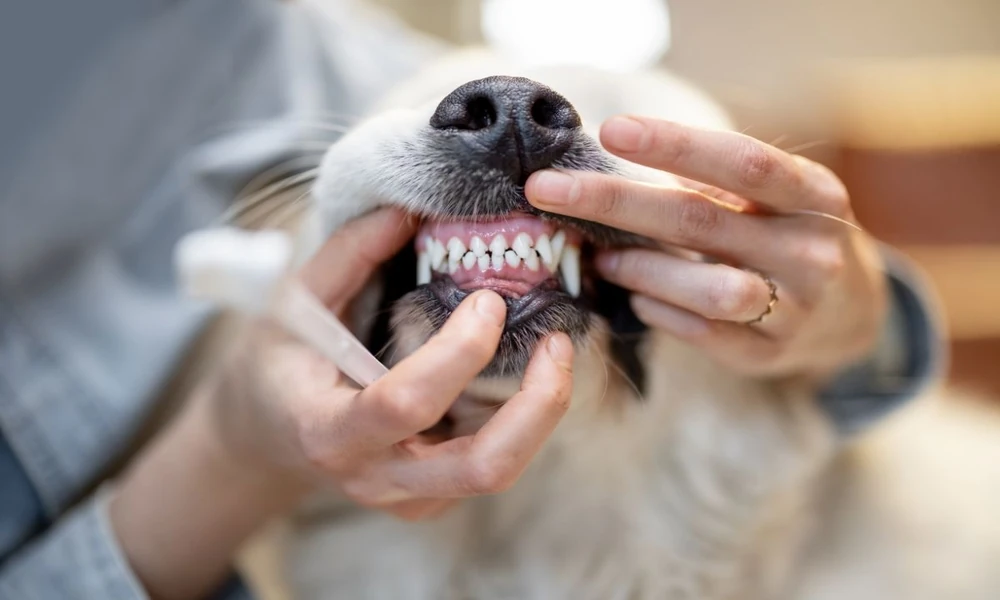
You notice the little things first. Your pet turns away from dry food, their breath gets sharper, they paw at their mouth once or twice, then act completely normal again. It is easy to tell yourself it can wait, especially when they still wag, purr, play, and greet you at the door. A Burlington veterinarian can help catch those early signs before they become more serious. Dental problems often build that way, quietly, and by the time pain is obvious, the problem is usually bigger and more expensive than it looked at the start.
That is why routine pet dental care works best in an animal hospital. You get more than a quick look at the teeth. You get a full medical setting, trained staff, safe anesthesia protocols, monitoring, imaging when needed, and treatment in the same visit if the team finds disease below the gumline. The short version is simple. Home care matters, but professional dental care for pets belongs in a place built to handle the whole animal, not just the visible part of the mouth.
Dental disease in pets hides below the surface
A clean looking tooth can still have disease under the gumline. That is the part many owners never get to see, and it is where a lot of damage starts. Plaque hardens into tartar, gums become inflamed, bacteria collect, and the tooth support structures weaken over time. According to Texas A&M Veterinary Medicine, dental disease is one of the most common health problems in pets, and it can affect comfort, eating, and overall health. Their overview of why pet dental care is important explains how fast these issues can progress when routine care gets delayed.
You may be wondering whether bad breath alone really means something serious. Sometimes it does. Pets hide pain well, and they often keep eating even when their mouths hurt. That creates a false sense of safety. Owners assume the problem is cosmetic when the pet is already living with daily discomfort.
An animal hospital is set up for that reality. The team can examine the mouth carefully, check for loose teeth, gum pockets, infection, oral masses, broken teeth, and signs that point to problems outside the mouth. A dental visit in a hospital setting connects oral health to the rest of your pet’s body, which is exactly where it belongs.
Animal hospitals make professional pet dental care safer
Many dental procedures for pets require anesthesia because a proper cleaning is not just scraping visible tartar off the front of the teeth. It includes cleaning under the gums, taking dental X rays when needed, polishing the teeth, and treating painful areas without causing fear or injury. That cannot be done well, or humanely, on a fully awake animal.
This is one of the strongest reasons veterinary dental care belongs in an animal hospital. If your pet needs anesthesia, monitoring matters. So does access to a medical team that can respond quickly if something changes during the procedure. A hospital has the equipment, protocols, and trained staff to manage that safely.
There is also a public health angle. Oral bacteria and close pet contact can affect the household environment, especially for children, older adults, and anyone with a weaker immune system. The CDC has published guidance on animal related hygiene and health risks in homes and care settings, which supports the value of managing pet health issues early and carefully through proper medical care. Their resource on animal related disease prevention and hygiene practices adds helpful context.
Routine dental care in an animal hospital prevents larger costs
Most people do not delay care because they do not care. They delay because life is busy and the signs seem small. Then a mild buildup turns into advanced periodontal disease, a fractured tooth, extractions, antibiotics, pain medication, and a much larger bill. Routine care usually costs less than repair care. It also spares your pet from living with pain that builds slowly enough to go unnoticed.
Think about the common pattern. A dog has bad breath for months, then starts chewing on one side. A cat drops kibble but still asks for food. Nothing looks urgent, until one day there is swelling, bleeding, or refusal to eat. At that point, the issue is no longer just cleaning. It is treatment.
Regular visits help catch those changes before they become harder to fix. That is the practical case for pet dental checkups in a hospital setting. Prevention is not just a health message. It is often the less stressful and less costly path.
Home care and animal hospital dental care do different jobs
| Approach | What It Helps With | What It Cannot Do Well |
|---|---|---|
| Brushing at home | Reduces daily plaque, supports fresher breath, slows buildup | Cannot clean under the gumline or diagnose hidden disease |
| Dental chews and diets | May reduce some plaque and tartar in selected pets | Cannot replace exams, imaging, or treatment for painful teeth |
| Non anesthetic cosmetic cleaning | May remove visible tartar on the tooth surface | Does not allow full cleaning, polishing, probing, or safe treatment below the gums |
| Animal hospital dental procedure | Full oral exam, cleaning above and below gums, monitoring, X rays, treatment if needed | Requires scheduling and added cost compared with home care |
The best routine is not home care instead of professional care. It is both. Daily brushing helps maintain what the hospital visit restores and evaluates. Each supports the other, and your pet benefits from that consistency.
Small steps now protect your pet’s comfort later
Schedule a dental exam before symptoms look dramatic. Bad breath, tartar, chewing changes, drooling, pawing at the mouth, and food dropping are enough reason to book a visit. You do not need to wait for obvious pain.
Ask what the hospital includes in dental care. A strong plan should cover an oral exam, anesthesia discussion, monitoring, cleaning under the gumline, and treatment options if disease is found. Clear expectations help you compare care based on medical value, not just price.
Start a simple home routine you can keep doing. Brushing a few times a week is better than an ambitious plan that lasts four days. If brushing is hard at first, ask the veterinary team about brushes, toothpaste, dental diets, or chews that fit your pet’s age and temperament.
Good dental care protects more than teeth
Your pet does not need to be in visible crisis for their mouth to need attention. That is the hard part. Dental disease often stays quiet while it chips away at comfort, appetite, and health. Routine care in an animal hospital gives your pet the level of attention, safety, and treatment that home care alone cannot provide.
If you have been putting it off, you are not alone, and you do not need to solve everything at once. Start with an appointment for an animal hospital dental evaluation and build from there. A small step now can spare your pet a lot of pain later.
