
You can brush every morning, keep floss in the bathroom drawer, and still feel like your family’s oral health slips through the cracks. One child hates the taste of toothpaste, another forgets to brush before bed, and adults often put off their own care until something hurts. That pattern is common, and it usually does not come from laziness. It comes from gaps in knowledge, mixed messages, and routines that never quite stick. In some cases, families also look into restorative options such as Albuquerque same day crowns.
Education is what turns a family dental wellness program from a list of good intentions into something that works at home. When people understand why cavities form, how gum disease starts, and what daily habits actually matter, they make better choices with less stress. In plain terms, family oral health education helps parents guide children, helps adults protect their own teeth, and makes preventive care feel manageable instead of overwhelming.
Education makes family dental wellness programs work in real life
Most families are not struggling because they have never heard of brushing. The harder part is knowing what to do at each age, how often to do it, and when a small issue needs professional attention. A toddler swallowing toothpaste, a teen living on sports drinks, or a parent ignoring bleeding gums because life is busy can all lead to bigger problems later.
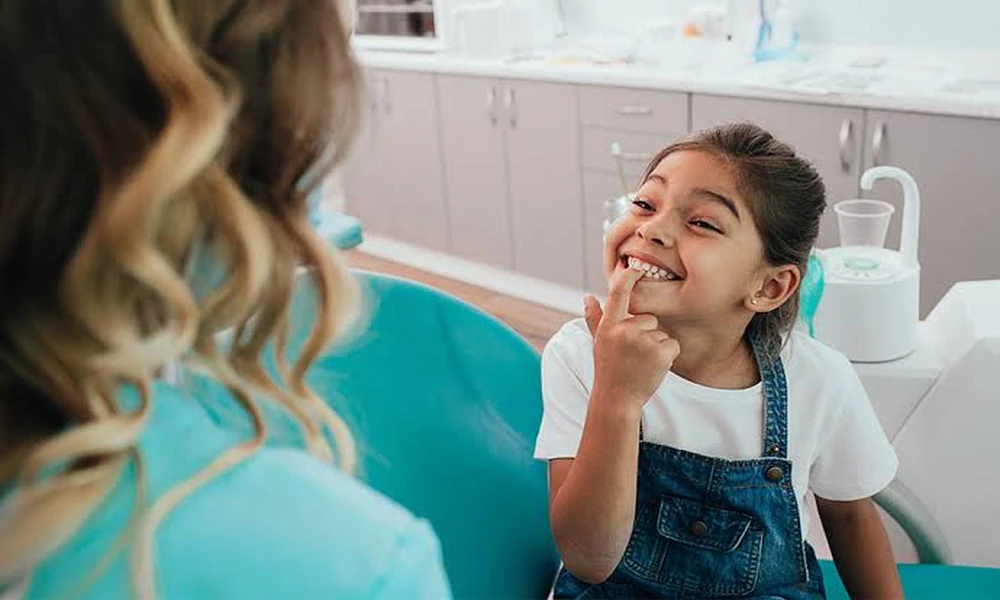
That is where a family dentist becomes more than someone who cleans teeth. Education during routine visits gives each person age-specific guidance. Parents learn when to start brushing with fluoride toothpaste, how to supervise young children, and why baby teeth still matter. Adults learn that gum disease is not just a cosmetic issue and that dry mouth, diet, medication use, and chronic illness can raise their risk.
Without that guidance, families often rely on habits picked up years ago, social media advice, or whatever seems easiest after a long day. That can mean brushing for ten rushed seconds, skipping floss because it feels optional, or assuming no pain means no problem. Oral disease does not always announce itself early. Cavities and gum inflammation can build quietly, which is why education is prevention, not extra information.
Good dental health education lowers stress, cost, and avoidable treatment
Dental problems carry more than physical discomfort. They affect school attendance, workdays, sleep, eating, and confidence. A child with tooth pain may struggle to focus in class. An adult with untreated decay may delay care because of cost, then end up needing a root canal or extraction instead of a simple filling. Families feel that pressure fast.
Education helps break that cycle early. When parents know what warning signs matter, they are more likely to act before a small issue becomes expensive. When children understand that sugar frequency matters as much as sugar amount, snack habits begin to change. When adults learn the link between oral health and overall health, routine care starts to feel less optional.
The science supports that approach. The National Library of Medicine explains that oral health literacy affects prevention, treatment decisions, and long-term outcomes. Better understanding often leads to better self-care and earlier use of dental services. You can read more in this overview of oral health literacy and public health.
For children, practical daily guidance matters. The CDC shares clear advice on oral health tips for children, including brushing with fluoride toothpaste and limiting sugary drinks. Adults need the same kind of direct support, especially around flossing, tobacco use, and regular checkups. The CDC also offers oral health tips for adults that fit easily into family routines.
A prevention-based family dental care plan beats a reaction-based approach
A lot of families operate in reaction mode. Someone complains of pain, then the schedule shifts, money gets tight, and everyone scrambles. That approach is exhausting because it keeps oral health tied to emergencies. A prevention-based system is calmer. It builds simple routines, regular checkups, and shared expectations across the household.
Dental wellness programs for families work best when education is repeated in small, usable ways. A parent may need to hear three times that nighttime brushing matters most. A child may respond better when a dentist explains plaque in simple terms than when a parent repeats the same reminder at home. Teens often need direct talk about energy drinks, vaping, mouthguards, and appearance because those are the issues that feel real to them.
| Approach | What It Looks Like | Likely Outcome |
|---|---|---|
| Reaction-based care | Visits happen after pain, swelling, or visible damage | Higher treatment costs, more missed school or work, more anxiety |
| Prevention-based care | Routine checkups, home care coaching, early attention to symptoms | Fewer emergencies, lower long-term costs, steadier habits |
| Generic home advice | Everyone follows the same routine regardless of age or risk | Important needs get missed, especially for children and adults with higher risk |
| Personalized family dentist guidance | Advice changes by age, diet, health history, and daily habits | Better follow-through and stronger long-term oral health |
Small, specific teaching moments create lasting oral health habits
Education does not need to feel formal. It works best when it is tied to daily life. A parent learns to help a child angle the toothbrush at the gumline. A teen hears why sipping soda for hours is harder on teeth than drinking it once with a meal. An adult realizes that bleeding while flossing is not a reason to stop flossing, it is often a sign to improve gum care and get checked.
That is the heart of a strong family dental wellness program. It gives people useful facts they can act on that same day. Not guilt. Not fear. Clear steps that fit real schedules.
Three steps you can take right now
Build one shared routine. Pick two anchor points your household can keep, usually after breakfast and before bed. Keep toothbrushes, fluoride toothpaste, and floss visible and easy to reach. Children do better with supervision, and adults do better when the routine is automatic instead of negotiable.
Ask for age-specific guidance. At your next dental visit, ask what each family member should focus on right now. A preschooler, a teen with braces, and an adult with gum sensitivity do not need the same advice. A family dentist can tailor home care so it matches actual risk.
Track the habits that cause the most trouble. Pay attention to bedtime brushing, sugary drinks, frequent snacking, and skipped checkups. Those four issues drive a lot of preventable dental problems. Start with the one that causes the most friction in your home, then improve from there.
Education gives families more control over their dental health
If your family’s oral care has felt inconsistent, you are not failing. Most people were never taught how to turn basic advice into a workable routine across different ages and needs. Education closes that gap. It helps you prevent problems earlier, spend less on avoidable treatment, and make dental care feel less chaotic at home.
Support from a family dentist can make that process much easier. When you are ready, schedule a visit and ask for guidance that fits your family’s daily life.
