
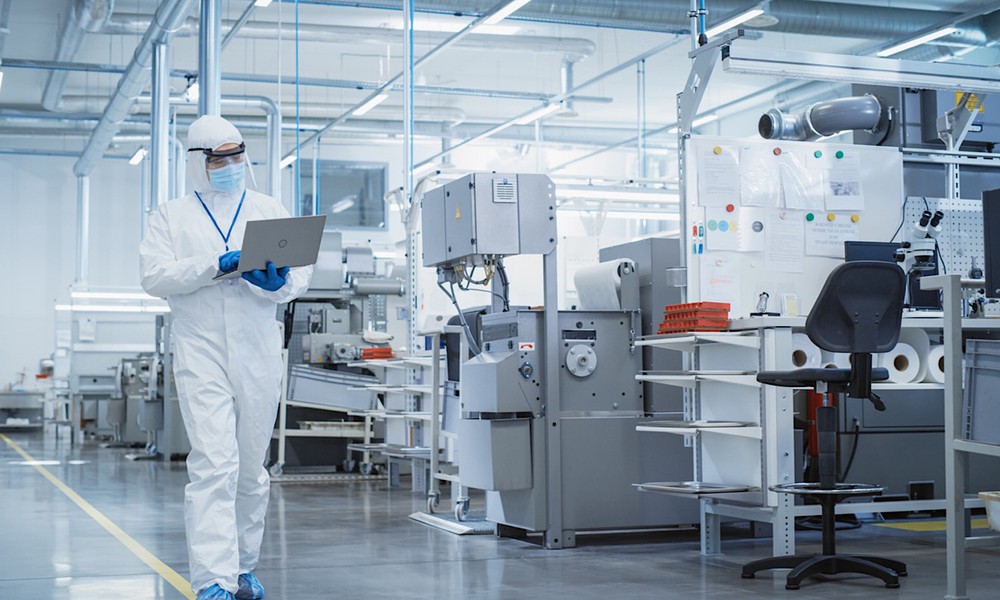
Clean room for medical devices exists because somewhere, someone learned a hard truth: invisible threats can kill. The history of medical manufacturing is written in lessons paid for with suffering, each regulation born from someone’s tragedy. We build these controlled environments not because standards demand it, though they do. We build them because the alternative is unacceptable. When you understand that a single particle, invisible to the naked eye, can introduce infection into a surgical implant, when you grasp that contamination can turn a healing device into an instrument of harm, the purpose of cleanroom manufacturing becomes crystal clear. This is not about regulatory compliance. This is about keeping promises to patients who trust that the devices entering their bodies are safe.
The Reality of Contamination
The world teems with particles and microorganisms we cannot see but that pose real danger to vulnerable patients. A speck of dust measuring mere microns across can harbour bacteria. A shed skin cell can carry pathogens. Even the air we breathe contains thousands of particles per cubic foot. In most settings, this matters little. Our immune systems handle these routine exposures. But medical devices bypass our natural defences. An implanted device creates a direct pathway past skin, past mucous membranes, straight into sterile tissue or even the bloodstream.
A contaminated heart valve means infection in the most vital organ. A tainted orthopaedic implant can lead to bone infection requiring removal and prolonged antibiotic therapy. A compromised catheter introduces sepsis. The medical device clean room stands between these nightmares and patients who deserve better.
Building Barriers Against the Invisible
Creating a Clean room for medical devices means constructing an environment that defies nature’s tendency toward disorder and contamination. It requires systems working in concert, each element supporting the others in maintaining control over what enters and what remains.
The air itself becomes purified continuously. Massive filtration systems pull air through HEPA filters that trap particles with extraordinary efficiency. The cleaned air flows into the space under positive pressure, ensuring that any breach allows clean air to flow outward rather than letting contaminated air seep inward. This process repeats dozens or hundreds of times each hour, constantly refreshing the environment.
Key protective elements include:
- Sealed construction preventing particle infiltration from outside
- Surfaces designed for easy cleaning without shedding their own particles
- Specialised flooring that does not harbour microorganisms
- Controlled temperature and humidity preventing microbial growth
- Strategic room layout minimising contamination transfer between zones
- Pass-through chambers reducing unnecessary door openings
The Discipline of Human Control
Equipment and systems can only accomplish so much. The greatest contamination source in any clean room for medical device manufacturing is people. We shed constantly. Skin cells, hair, breath moisture, fibres from clothing, all of these rain particles into spaces we occupy. Managing this reality demands discipline that becomes second nature through training and practice.
Before entering controlled areas, personnel dress in specialised garments covering every inch of exposed skin. The gowning process follows precise sequences ensuring contamination does not transfer from street clothes to cleanroom garments. In the most critical areas, workers wear full body suits that make them look like astronauts, breathing through filtered systems.
A Singapore clean room for medical devices supervisor shared plainly: “I tell new workers that every shortcut they take, every time they rush through gowning, every moment they forget protocols, they are making a choice. That choice affects someone they will never meet, someone who will receive a device we made. When people understand the weight of that responsibility, most rise to meet it.”
The Proof in Monitoring
Trust needs verification. Medical device cleanrooms rely on continuous monitoring proving that controls work as intended. Particle counters sample air regularly, measuring concentrations against established limits. Microbial testing confirms that bacteria and fungi remain absent or within acceptable ranges. Surface sampling detects contamination on work surfaces and equipment.
This data tells the story of whether the cleanroom delivers on its promise. When particle counts trend upward, investigations begin immediately. When microbial tests show growth, production halts until the source is identified and eliminated. The monitoring data creates a record, proof that controls functioned properly when devices were manufactured.
The Cost of Cutting Corners
Some might question whether such extensive controls truly matter, whether the expense justifies the benefit. History answers clearly. Medical device recalls due to contamination have affected hundreds of thousands of patients. Some recalls involve devices already implanted, requiring additional surgeries for removal. Others cause infections that extend hospital stays, demand aggressive antibiotic treatment, or worse.
The cost of proper cleanroom manufacturing pales beside these consequences. Not just financial costs, though those prove substantial. The human cost of preventable infections, of trust violated, of lives disrupted or ended. These cannot be measured in pounds or dollars.
The Commitment Required
Maintaining cleanroom standards for medical devices demands ongoing commitment. Daily cleaning. Regular filter changes. Continuous training. Periodic revalidation. Documentation of every activity. The work never ends because the risk never disappears. Vigilance must remain constant because contamination waits for any lapse.
Yet this commitment reflects something essential about medical device manufacturing. It embodies the promise that when someone’s life depends on a device, that device will be worthy of their trust. Clean room for medical devices makes that promise tangible, transforming abstract standards into concrete protection for patients who deserve nothing less than our very best efforts.
