
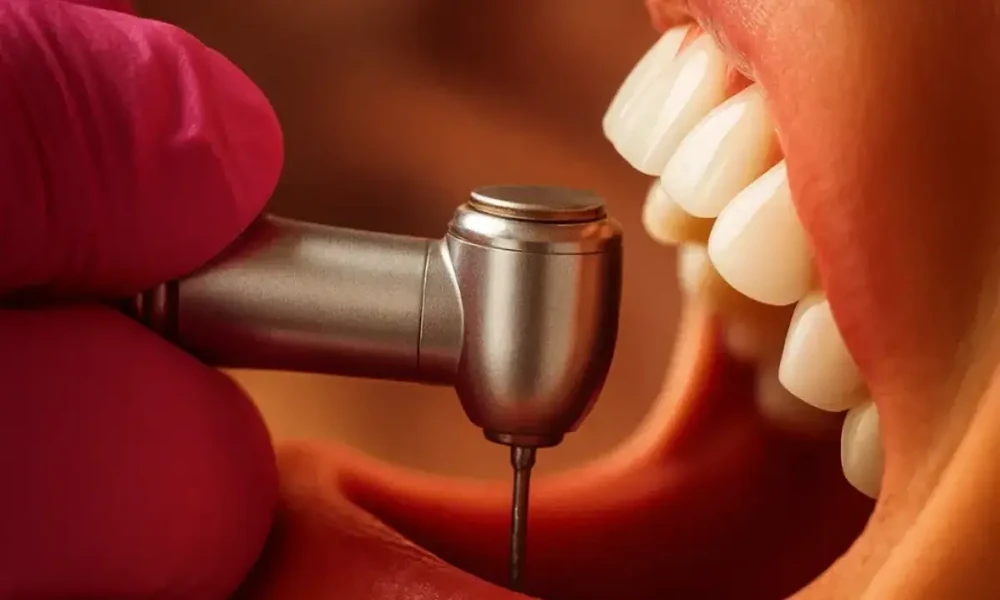
You might be feeling that slow shift from “it only bothers me once in a while” to “I can’t ignore this anymore.” Maybe a tooth cracked when you bit into something soft, or a cavity that seemed minor has started to ache when you drink coffee or cold water. When a tooth is damaged, it does not just affect your mouth. A Woburn family dentist can help restore comfort and function before the problem gets worse. It can change how you eat, how you speak, and even how comfortable you feel smiling. That is a lot to carry over something that may have started small.
The good news is that many damaged teeth can be repaired, often in ways that look natural and help you chew, speak, and smile with less worry. If you are trying to understand your options, the short answer is this. Common restorative care often includes fillings, crowns, root canal treatment, and dental implants. Each one solves a different kind of problem, and the right choice depends on how much of the tooth is affected and whether the tooth can still be saved.
When a tooth is damaged, how do you know which restorative dental treatment fits?
It helps to start with what is really going on. Some damage is surface level, like a small cavity or worn spot. Some runs deeper, like a crack that weakens the tooth or an infection that reaches the pulp inside. Because of this, the same pain or sensitivity can lead to very different treatment plans.
A filling is often the first step when the damage is limited. If decay is caught early, a dentist removes the damaged part and restores the tooth with a material designed to support daily use. The National Institute of Dental and Craniofacial Research explains the basics of dental fillings, including common materials and when they may be used. For many people, this is the simplest answer when a tooth is still strong enough to hold its shape.
But what if the tooth has lost more structure? That is where a crown may come in. A crown covers the visible part of the tooth and helps protect it from further breakage. This can matter after a large cavity, a fracture, or even after root canal treatment. You can think of it as support for a tooth that is still there, but no longer sturdy enough to stand on its own.
Then there is the kind of pain that keeps you up at night. If infection or inflammation reaches the center of the tooth, a root canal may be needed to remove the damaged tissue and save the outer tooth. MedlinePlus offers a clear overview of root canal treatment, including what to expect and why it can stop pain rather than cause it. Many people fear this option because of old stories, but the real goal is relief and preservation.
So, where does that leave you if the tooth cannot be saved? In that case, an implant may be discussed after extraction. A dental implant replaces the missing tooth root and supports a crown above it. It is often considered when the damage is too severe for repair, or when a missing tooth is affecting bite balance and confidence.
What are the 4 common tooth restoration options really solving?
Each treatment answers a different problem, and that matters when you are weighing cost, time, and long term value. A filling treats early decay before it spreads. A crown protects a tooth that has become weak. A root canal treats infection while keeping the natural tooth in place. An implant replaces a tooth that is gone or beyond repair.
This is why waiting can get expensive, both financially and physically. A small cavity may only need a filling today, but if it is ignored long enough, it can turn into a crown or root canal later. If infection keeps spreading, the tooth may need to come out. What started as a manageable fix can become a much bigger decision.
There is also the emotional side of it. You may be trying to function through pain, hiding one side of your smile, or chewing only on certain foods. That stress is real. Restorative dentistry is not only about repairing teeth. It is about helping you get back to normal routines without that constant mental note in the background.
How do these common restorative treatments compare in real life?
If you are sorting through common restorative treatments for damaged teeth, a side by side view can make the options feel less abstract. The table below gives a simple comparison.
| Treatment | Best For | Main Goal | What to Keep in Mind |
|---|---|---|---|
| Filling | Small to moderate cavities | Restore shape and stop decay from spreading | Works best when damage is caught early |
| Crown | Cracked, worn, or heavily filled teeth | Protect and strengthen the tooth | More tooth coverage, often used when structure is weak |
| Root Canal | Infected or inflamed tooth pulp | Save the natural tooth and remove infection | Often followed by a crown for support |
| Implant | Missing or non salvageable tooth | Replace the root and visible tooth | Usually takes more time, but can offer stable long term function |
Materials also matter, especially if you are thinking about appearance, durability, or sensitivities. The NIDCR provides a helpful guide to dental materials used in restorative care, which can help you ask better questions during a visit. If you have concerns about metal, resin, porcelain, or wear over time, that is worth bringing up.
What can you do right now if you think you need a damaged tooth repair?
1. Pay attention to the pattern. Notice when the pain happens, what triggers it, and whether you have swelling, sensitivity, or a rough edge on the tooth. These details can help identify whether you may need a filling, crown, or a more urgent form of tooth restoration.
2. Do not wait for severe pain. A damaged tooth does not always hurt right away. Sometimes the quiet problems are the ones that grow fastest. If you have a chip, crack, dark spot, or pain when chewing, schedule an exam before the issue becomes harder to treat.
3. Ask direct questions about options. You have every right to ask what the treatment is solving, whether the tooth can be saved, what material is being used, and what happens if you delay care. Clear answers can make restorative dentistry feel much less overwhelming.
What should you remember as you move forward?
A damaged tooth can make daily life feel smaller than it should, but there are proven ways to restore comfort and function. Whether you need a simple filling or one of the more common dental restoration treatments, the first step is finding out what is happening before the problem grows. With the right care, many people are able to eat normally again, smile more freely, and stop planning their day around one painful tooth.
If something feels off, trust that instinct and schedule a dental evaluation. Getting answers early can protect your tooth, your time, and your peace of mind.
