
Every spring, a huge number of Florida homeowners face the same moment. You stand in your living room, look at a window, and realize it sticks, leaks air, and feels flimsy whenever the wind picks up. You start pricing replacements, and then the options hit you like a muggy afternoon. Double hung, slider, awning, casement. It’s a lot. But here’s the thing: for a Florida home, one style solves more problems than the rest. Casements. They seal tighter, catch more breeze, and hold up better in storms than most of what gets installed around here. Let’s walk through why that is, and where they fall short.
What Exactly Is a Casement Window?
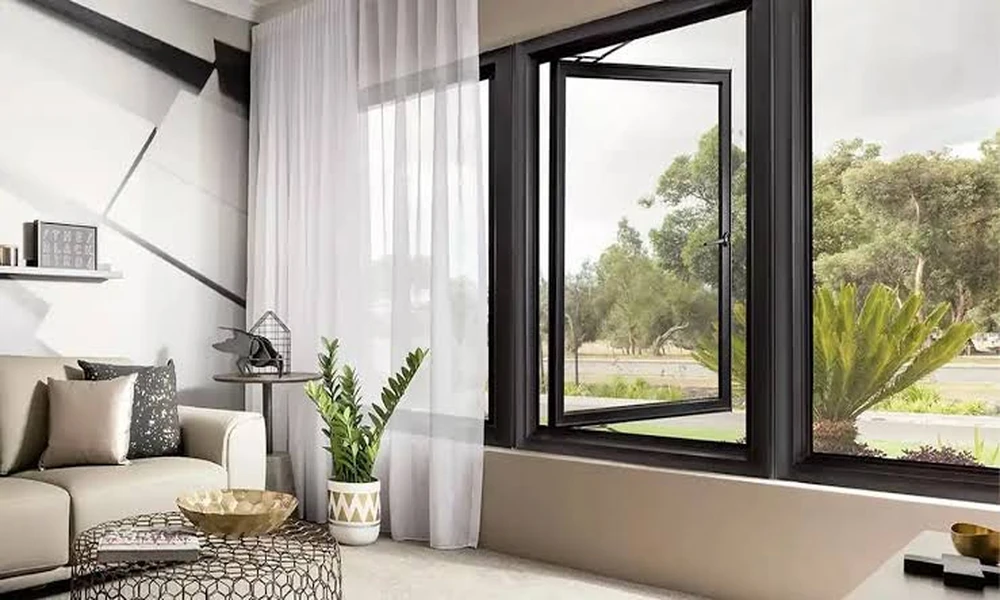
A casement window hangs on hinges attached to the side of the frame. A crank handle swings the sash outward, either left or right, until it sits at a right angle to the wall. Not a sash that slides up and down. Not a panel that glides sideways on a track. A door-like panel that swings open.
That simple hinge design changes everything about how the window performs. Because the entire sash swings free, you get the full opening for airflow. With a slider or double hung, half the window stays covered by the other sash. With a casement, the whole thing clears the frame. You feel a difference on a still afternoon when the only breeze is high up and you need to pull it down into the room.
The other payoff is the seal. A casement closes with a compression fit. The sash presses hard against the weatherstripping around the entire perimeter, like a refrigerator door. That is why they consistently beat other window types for energy efficiency in tests run by the Department of Energy, which has long recommended casement frames as one of the most airtight options available for residential use. Energy.gov breaks down frame types and seal quality in detail if you want the full technical picture.
Why Southwest Florida Is Casement Country
You can’t talk about windows in this region without talking about summer. From May through October, you get heat, humidity, and thunderstorms that roll in with almost no warning. Your windows either help you manage that weather or they fight you over it.
Think about ventilation first. The whole point of a window in a Florida home is to push stale air out and pull fresh air in, fast. A casement sash angled into the wind actually catches the breeze and funnels it into the room. That’s physics working in your favor. It makes a noticeable difference in a kitchen when you’re cooking, or in a bathroom after a hot shower. Those are exactly the rooms where homeowners notice how quickly a casement clears the air compared to a slider.
Now consider storms. We are not just talking about hurricane season, though that matters. We’re talking about the daily afternoon storm in July that kicks up wind gusts. Casement windows lock with a multi-point system. The sash cinches down against the frame on multiple sides, not just one latch in the middle. A slider has a single lock point, and its track can flex under heavy pressure. A casement, when properly reinforced with impact glass, gives you a much stronger barrier. The tight compression seal also means rain driven by wind has a far harder time finding a way inside.
Energy Bills: The Quiet Winner
Here is where casements pull ahead of the pack for year-round savings. Florida homes run air conditioning for a solid eight months out of twelve. Every bit of outdoor heat that slips past a window seal is heat your AC has to remove. A leaky window is basically a hole in your wall.
Because casements compress shut instead of resting on a track, they simply leak less air. The Department of Energy research shows air leakage is the single biggest factor in window energy loss, and compression-style windows like casements consistently perform better than sliding styles in infiltration tests. Over a summer, that tighter seal means your AC cycles less often and your monthly bill stays lower. Nobody thinks about that in the showroom, but you notice it in July.
Going with a quality vinyl or aluminum frame, combined with Low-E glass, makes the whole package even better. The frame material and the glazing do heavy lifting, but the closing mechanism is what seals the deal. If energy efficiency sits near the top of your list, casements should too.
Security and Emergency Exit: The Practical Edge
Here is a scenario most folks never think about until it happens. You hear a noise at the ground-floor window at 2 AM. With a slider, a determined person can sometimes lift the sash off its track from outside. With a double hung, prying the lower sash up is a classic break-in method. With a casement, the window lock holds the sash shut on multiple sides. There is no track to lift, no sash to jimmy upward. The hinge mechanism is built into the frame.
The flip side matters even more: getting out. In a fire, you want an exit that opens wide and fast. A casement swings the full sash clear of the frame, giving you the maximum possible opening for your escape. You don’t have to wiggle through a gap created by two sliders that only opens halfway. You get the whole window. That is a real safety feature that doesn’t show up in the brochure.
And here’s a detail most people overlook. You can actually clean a casement from inside the house. Crank it out, wipe the exterior glass facing you, and you don’t need a ladder. With a slider on a second story, you are either paying a cleaning service or doing yoga on the windowsill. Casements are way more practical for the reality of owning a home.
Where Casements Fall Short: The Honest Talk
Casements have trade-offs, and it’s fair to know them before you commit. The crank mechanism adds a moving part that can wear out over time. A high-quality operator from a reputable brand lasts for years, but a cheap one can get stiff. Maintenance is simple: clean the track and keep the mechanism lubricated.
The outward swing also means you need to manage your outdoor space. A casement that opens into a screened porch or a busy walkway can be awkward. And because the whole sash swings, screens get stress from repeated opening and closing. That’s a minor repair, but it’s worth budgeting for.
Let’s also talk about the hardware inside the home. Most casement windows come with a crank handle that has to clear the window treatment. Blinds and curtains need to sit clear of the crank. It’s workable, but it’s a design consideration sliders don’t force on you.
Casement vs. Slider: A Quick Comparison Table
If you are weighing the two most common Florida styles, here is how they stack up:
| Feature | Casement Window | Sliding Window |
|---|---|---|
| Airflow | Full sash swings open for maximum air | Only half the window opens |
| Air seal | Compression fit, very low leakage | Sliding track, higher leakage |
| Storm resistance | Multi-point lock, tight seal | Single lock point |
| Cleaning | Easy from inside | Hard on upper floors |
| Maintenance | Moving crank mechanism | Track needs occasional cleaning |
| Space | Swing-out clearance needed | Slides within frame footprint |
That table sums up the trade-off. Casements win on performance, seal, and airflow. Sliders win on simplicity and spatial footprint.
Storm Ratings and What Actually Matters
This is where you have to do a little homework before you buy. Homeowners often hear “hurricane proof” and assume one window is as good as another. Not true.
The National Oceanic and Atmospheric Administration tracks the wind speeds that affect Florida communities, and the data shows that small windborne debris causes most storm damage to windows. That is exactly why impact-rated glass matters. A casement frame can be built with the same impact glass as a slider. The frame style does not determine hurricane resistance. The glass rating and the frame reinforcement do. NOAA’s hurricane research bulletins make it clear that window protection is about materials and installation quality, not just the shape of the sash.
So when you compare quotes, compare the glass spec and the frame thickness. Ask for the product’s design pressure rating. A well-built casement with a high rating and impact glass will protect your home better than a cheap slider with standard glass. Full stop.
A Quick Checklist Before You Order
Before you sign anything, run through this list. It saves you from a mistake you will live with for twenty years.
- Can the window be upgraded to impact glass at a reasonable price?
- Does the casement come with a multi-point locking mechanism?
- Is the frame reinforced at the hinge points?
- What is the design pressure rating for your specific county’s wind zone?
- Can the window be cleaned from the inside easily?
Ask every installer to answer those five questions in writing. If they hesitate on the pressure rating, walk away. They should know that number cold.
Picking a Style That Works for Your Home
Casements work beautifully in kitchens, bathrooms, and any room where ventilation is the priority. They also work great as tall, narrow windows placed high on a wall to pull heat out of a room. For a living room with a view you want to keep open, a picture window flanked by casements on either side is a classic combination that gives you light and airflow.
The one place you might prefer a slider is in a room where a sofa or bed sits right under the window. You don’t want a crank handle poking into your furniture. A slider sits flush with the wall and stays out of the way. But for most rooms in a Florida home, casements pull their weight and then some.
If you are looking for casement windows in Southwest Florida, make sure you work with a company that actually understands the difference between frame construction quality and window style. Both matter. A great casement from a reputable local installer, with proper low-E impact glass, will outperform a flimsy slider any day of the week.
The Bottom Line on Casements
Here is the honest verdict. Casement windows are not the answer to every window in your house, but they are the answer to most of them. The tight seal drops your cooling costs in a climate that runs AC almost year-round. The swing-out opening catches breezes that sliders just leave sitting on the sill. The multi-point lock holds up when a thunderstorm rolls through. And the full-width opening is a genuine safety advantage you only appreciate if you ever need it.
Cost a bit more than a basic slider? Maybe. Worth it for the energy savings, the security, and the airflow in a Florida summer? For my money, absolutely. When you are standing in the showroom, agonizing over styles, think about July. Think about a hot kitchen and a storm heading in. Then crank that casement open and feel the difference.
