
If your child was born early, you already know how fast routine care can stop feeling routine. Feeding, growth, sleep, specialist visits, milestones, follow ups. It can feel like every small choice carries extra weight, and dental care often gets pushed aside until there is a clear problem. That is common, and it makes sense. If later in life your child needs more advanced tooth replacement options, an implant dentist in San Antonio, TX may be part of that conversation.
Prematurely born children can have oral health needs that deserve earlier attention, not because something is wrong, but because their start was different. The goal of preventive care is simple. Catch concerns early, protect developing teeth, and make dental visits feel normal instead of stressful. These five questions can help you have a better conversation with a family dentist and leave with a plan you can actually use.
Premature birth can change the timing and focus of preventive dental care
The first question to ask is: what does premature birth change about my child’s dental risk? You may hear about delayed tooth eruption, enamel defects, a higher chance of cavities, oral sensitivity, or feeding habits that affect the teeth and jaw. Some children born early also have longer exposure to medicines, reflux, or medical devices that can shape early oral development.
That does not mean your child is headed for major dental problems. It means your dentist should know the full birth and medical history so preventive care fits your child, not an average timeline. The American Academy of Pediatric Dentistry guidance on infant oral health care supports an early oral health risk assessment and a dental home by age one, sometimes sooner if there are concerns.
The second question is: when should my child have a first dental visit, and what will happen there? Many parents expect a full cleaning and a long exam, then worry their baby or toddler will not tolerate it. A first visit is often shorter and calmer than expected. The dentist looks at how the teeth are coming in, checks the gums, reviews feeding and brushing habits, and talks through risk factors. For a child born early, this visit can also help sort out whether delayed eruption is expected or needs monitoring.
You might be wondering if waiting until more teeth show up is easier. Sometimes waiting feels easier in the short term, but it can make the first visit harder because your child is older, more aware, and possibly already dealing with pain or visible decay. Early visits are less about treatment and more about keeping treatment from becoming necessary.
Daily home care matters more when enamel is weak or feeding is complicated
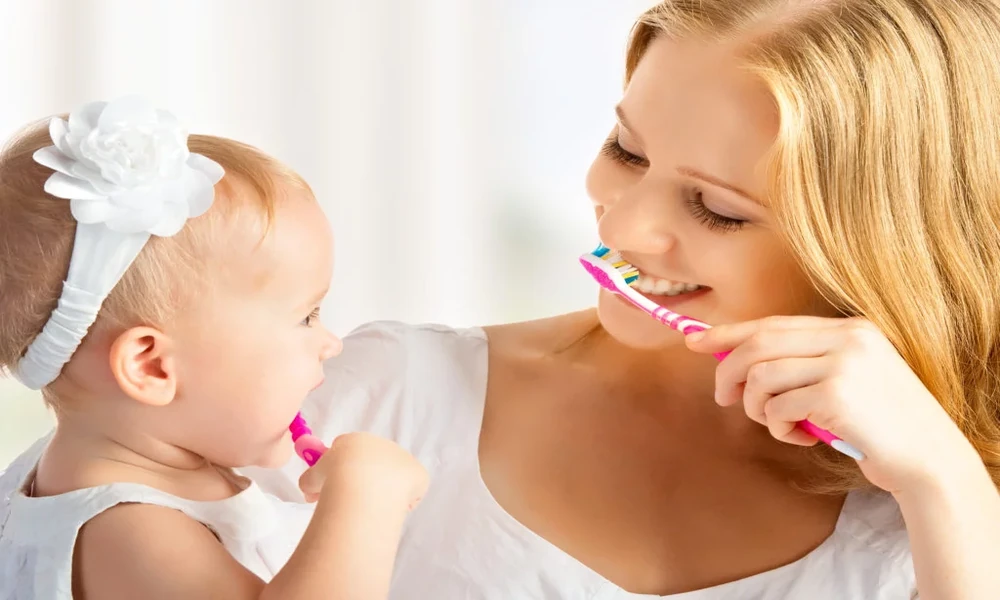
The third question to ask is: what should home care look like for my child right now? This is where many parents get mixed advice. If your child has teeth, they need cleaning every day, even if there are only one or two. The American Academy of Pediatrics advice on early brushing explains that oral care starts before the mouth is full of teeth and should become part of the daily routine early.
If your child gags easily, fights the toothbrush, or still has a feeding schedule that includes overnight bottles, cups, or comfort feeds, that can make dental care feel like one more battle you do not have energy for. That is exactly why this question matters. A good dentist will help you adjust the routine instead of handing you a generic script. You may need a smaller brush head, a smear of fluoride toothpaste, a different brushing position, or a plan for reducing cavity risk when night feeding cannot change right away.
The fourth question is: how do nutrition, medicines, and habits affect my child’s teeth? Prematurely born children sometimes need high calorie diets, fortified milk, frequent feeds, or syrup based medicines. Those supports can be necessary and still raise cavity risk. That is not a reason for guilt. It is a reason to ask for practical ways to protect the teeth around the care your child already needs.
The CDC’s oral health tips for children recommend brushing twice a day with fluoride toothpaste, limiting added sugar, and building regular dental visits into routine care. For a child with medical complexity, the details matter even more. A rinse of water after medicine, brushing before bed, and avoiding constant sipping can make a real difference.
These comparison points can help you decide what to raise at the dental visit
| Concern | Lower Risk Pattern | Higher Risk Pattern | What to Ask the Dentist |
|---|---|---|---|
| First visit timing | Visit by age one or within 6 months of first tooth | Waiting until pain, staining, or visible decay | Does my child need an earlier visit because of premature birth or medical history? |
| Brushing routine | Twice daily with fluoride toothpaste | Inconsistent brushing, especially at bedtime | How much fluoride toothpaste should I use for my child’s age? |
| Feeding pattern | Structured meals and limited prolonged sipping | Frequent night feeds or all day sipping after teeth erupt | How can I lower cavity risk if my child still needs frequent feeds? |
| Enamel and eruption | Teeth erupting without discoloration or pits | Delayed eruption, spots, grooves, weak enamel | Are these enamel changes common in preterm children, and how should we monitor them? |
| Dental care model | Regular checkups with a trusted provider | Only emergency visits when problems show up | What should our preventive schedule be for preventive dental care for preterm children? |
A family dentist can turn broad advice into a plan that fits your child
The fifth question is: what preventive schedule makes sense for my child, specifically? This is where dental prevention for premature babies becomes more than a search term. Some children do well with standard recall visits. Others need closer monitoring because of enamel defects, crowding concerns, dry mouth, oral aversion, or a history that raises decay risk.
A thoughtful family dentist looks at the whole picture. Not just the teeth, but the patterns around them. If your child was born early and also has therapies, specialist appointments, or sensory challenges, the right plan should be realistic enough to survive real life.
Three steps you can take now
1. Gather the health details before the appointment. Bring your child’s birth history, current medicines, feeding routine, and any concerns about brushing, chewing, or delayed teeth. That context helps the dentist spot risks faster.
2. Start or reset a simple brushing routine. Brush twice a day with a child sized brush and age appropriate fluoride toothpaste. Bedtime brushing matters most because saliva drops during sleep and teeth stay exposed longer.
3. Write down the five questions and ask them directly. Parents often leave appointments remembering only half of what they meant to ask. A short list keeps the visit focused and gives you clear next steps for preventive dental care for prematurely born children.
You are not overthinking this. When a child has had a more fragile start, asking better questions is part of good care. Early prevention can spare your child pain, protect developing teeth, and make future visits easier for everyone. If you are ready to set up a visit, reach out to a family dentist and ask for an early preventive evaluation that takes your child’s full history into account.
