
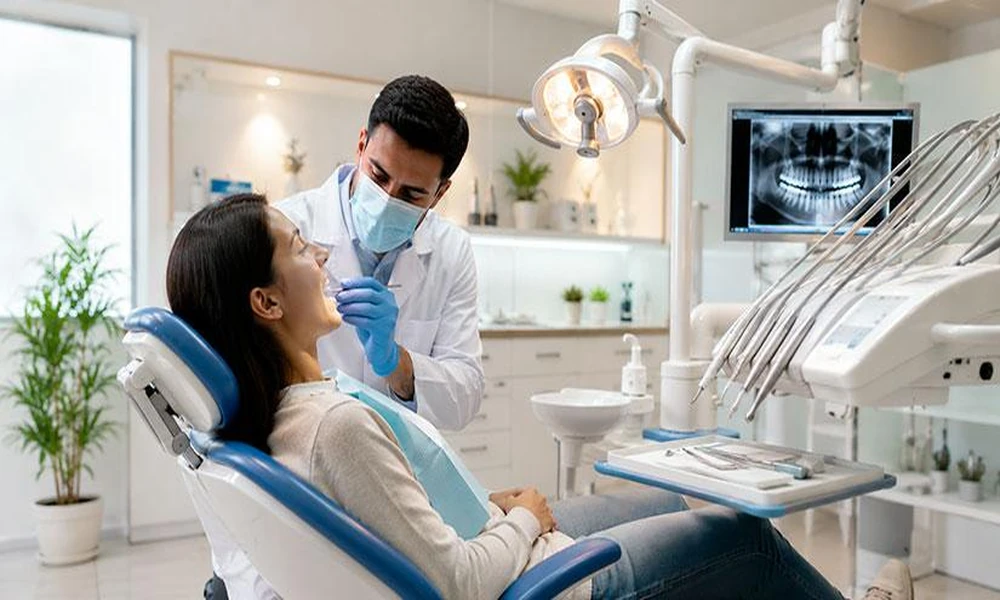
You brush their teeth, watch the snacks, book the checkups, and still wonder if everything is on track. That feeling is common. A child’s mouth changes fast, and what looked fine at age three may need closer attention at seven or twelve. Parents are not just trying to prevent cavities. You are trying to understand growth, habits, comfort, and whether today’s small issue could turn into a bigger one later. A Hybla Valley, VA dentist can help you make sense of those changes and know what to watch for next.
How Family Dentistry Tracks Oral Health Progress Across Childhood comes down to one steady process. A family dentist follows patterns over time, not just isolated visits. They watch how teeth erupt, how the bite develops, how brushing habits hold up, and how risk changes as your child moves from baby teeth to permanent teeth. That long view helps catch trouble early and gives you a clearer sense of what your child needs now, not what a chart says most children need.
Family dentistry builds a long term record of your child’s oral development
Children do not grow in neat stages. One child gets molars early and another takes longer. One has deep grooves that trap food, another has enamel weakness, another clenches at night. A family dentist tracks these details over time, which matters because oral health is rarely one moment in isolation. It is a pattern.
At each visit, the dentist checks more than cavities. They look at gum health, plaque buildup, spacing, jaw growth, bite changes, speech related concerns, and signs of habits like thumb sucking or mouth breathing. That record becomes useful when a change appears. If crowding starts to show, there is context. If a child suddenly has more plaque despite good brushing, there is a reason to ask what shifted at home, at school, or with diet.
The American Academy of Pediatric Dentistry outlines age based guidance for exams, prevention, and counseling in its periodicity recommendations for infants, children, and adolescents. That schedule supports something parents often need most, which is consistency. Regular visits create a timeline, and a timeline makes early action possible.
Tracking oral health through childhood helps catch small problems before they grow
A child who says nothing can still have a problem. Early decay may not hurt. Gum irritation can look minor. A shifting bite may seem cosmetic until chewing gets harder or teeth wear unevenly. This is where tracking oral health through childhood changes the picture. The dentist is not guessing based on one day. They are comparing today with what your child’s mouth looked like six months ago, or two years ago.
That matters financially too. A fluoride treatment, sealant, or habit change is usually easier on your budget than a filling, crown, or emergency visit later. It also matters emotionally. Children who have repeated pain or urgent dental work often become more anxious about care. Prevention protects teeth, but it also protects trust.
Daily habits still do most of the work between visits. The CDC’s oral health tips for children reinforce the basics parents already wrestle with, brushing with fluoride toothpaste, cleaning between teeth when they touch, choosing water over sugary drinks, and keeping regular dental appointments. Those simple routines are easier to adjust when a dentist has tracked where your child struggles most.
Childhood dental monitoring connects home habits, growth, and risk
Childhood dental monitoring is not just clinical note taking. It connects behavior with outcomes. If a child starts orthodontic treatment, cleaning may become harder and decay risk can rise. If a teen drinks sports drinks often, enamel wear may show up before a cavity does. If a younger child breathes through the mouth at night, dry tissues and gum irritation may appear again and again.
National research continues to show that oral health is tied to broader health and access issues, not just brushing alone. The National Institute of Dental and Craniofacial Research discusses these patterns in Oral Health in America, including how prevention, routine care, and early intervention shape outcomes across the lifespan. For children, that means a family dental office can serve as an early warning system.
| What is tracked | What parents may notice at home | Why a family dental office tracks it over time |
|---|---|---|
| Tooth eruption and spacing | Teeth coming in crooked or late | Helps spot crowding, delayed eruption, or bite concerns early |
| Cavity risk | Frequent snacking, brushing battles, white spots on teeth | Guides fluoride, sealants, and recall timing |
| Gum health and plaque | Bleeding during brushing, bad breath | Shows whether cleaning habits are working and where support is needed |
| Bite and jaw development | Grinding, mouth breathing, trouble chewing | Reveals changes that may affect comfort, wear, and future treatment |
| Habits and diet | Thumb sucking, sweet drinks, inconsistent routines | Links daily behavior to patterns seen in the mouth |
Small actions at home make dental progress easier to measure
1. Keep a simple oral health note on your phone.
Write down anything that repeats. Sensitivity with cold foods, bleeding gums, grinding sounds at night, or a tooth that seems slow to come in. These details are easy to forget by appointment day, and they help your dentist compare what you see at home with what shows up in the exam.
2. Treat checkups like progress visits, not just cleanings.
Ask what has changed since the last appointment. Ask whether your child’s risk is lower, higher, or the same. Ask if brushing technique, diet, or spacing needs more attention right now. That turns the visit into a real review of progress.
3. Match routines to your child’s current stage.
A preschooler needs hands on brushing help. A grade school child may need sealants and more coaching on back teeth. A teen may need reminders about drinks, aligners, or sports guards. The routine should change as your child changes.
Steady family dental care gives you a clearer picture of childhood oral health
You do not need to predict every dental issue before it starts. You need a consistent plan, a record of change, and a dental team that sees the whole arc of your child’s growth. That is how family dentistry tracks oral health progress across childhood, one visit builds on the last, small concerns are caught sooner, and you get a clearer sense of what to do next.
If your child is due for a checkup, schedule a visit with a family dentist and ask for a clear update on growth, risk, and the next steps for prevention.
