
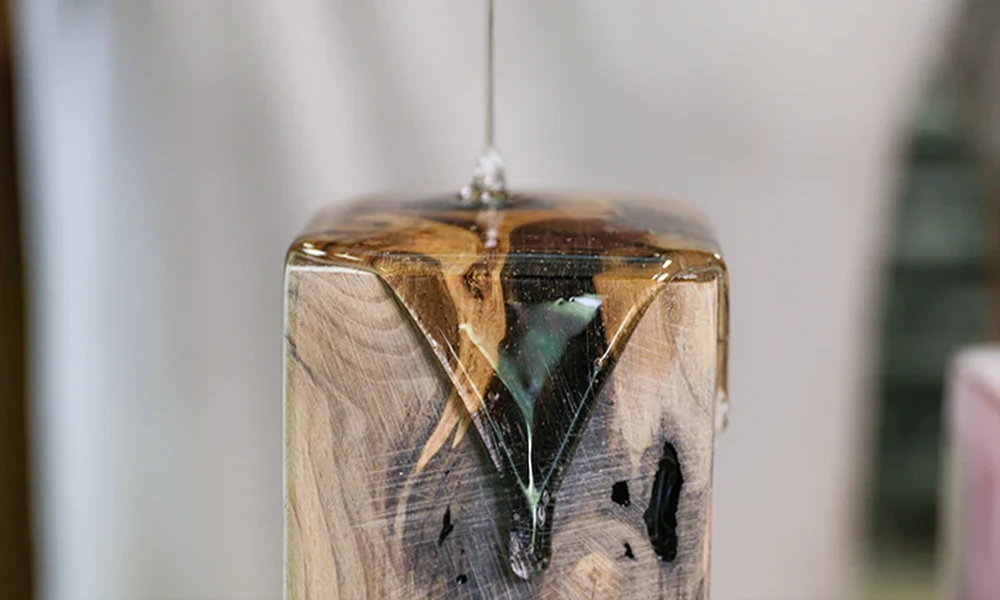
Resin has become a cornerstone material across a vast spectrum of industries. From heavy-duty industrial fiberglass and protective floor coatings to high-end custom furniture and delicate DIY crafts, this versatile polymer transforms from a liquid state into a durable, solid structure. However, because “resin” is a broad category rather than a single product, choosing the wrong variant can lead to structural failure or aesthetic issues.
Whether you are an artisan crafting custom river tables or an engineer designing marine components, understanding the specific properties of liquid polymers-frequently referred to in regional manufacturing and craft sectors as เรซิ่น -is the first step toward project success. Each type possesses unique characteristics regarding strength, clarity, curing time, and environmental resistance. Selecting the ideal match requires looking closely at how these materials perform under different conditions.
The Four Major Types of Resin and Their Applications
To make an informed decision, it is essential to break down the four primary types used in commercial, industrial, and creative projects today.
1. Polyester Resin: The Cost-Effective Industrial Workhorse
Polyester resin is arguably the most widely used material in the fiberglass industry. It is highly favored for large-scale manufacturing due to its affordable price point and rapid curing time. When combined with glass fibers, it creates a robust, lightweight composite material.
Best For: Boat hulls, automotive body panels, large water storage tanks, and general fiberglass molding.
Pros: Highly cost-effective for large volumes; features a rapid curing time to speed up production.
Cons: Emits a strong styrene odor during application; experiences notable shrinkage; offers lower adhesive strength than epoxy.
2. Epoxy Resin: The Premium Choice for Aesthetics and Durability
If your project demands high visual clarity, exceptional strength, and minimal shrinkage, epoxy resin is the industry standard. This material cures into a glass-like, high-gloss finish that adheres incredibly well to wood, metal, glass, and carbon fiber.
Best For: Wooden river tables, protective floor coatings, heavy-duty structural bonds, carbon fiber components, and intricate jewelry pieces.
Pros: Delivers exceptional visual clarity, high-gloss glossiness, superior strength, and minimal shrinkage that prevents cracking.
Cons: Comes with a higher price tag; requires a meticulous and precise mixing ratio of resin to hardener to cure properly.
3. Vinyl Ester Resin: The Ultimate Shield Against Corrosion
Engineered as a hybrid between polyester and epoxy, vinyl ester resin offers a middle ground in terms of cost while delivering elite performance in harsh environments. It provides significantly better mechanical strength and impact resistance than standard polyester.
Best For: Industrial chemical storage tanks, underground pipes, marine retrofitting, and structural components exposed to severe environmental stress.
Pros: Outstanding resistance to chemicals, acids, and water absorption; offers much higher impact resistance than polyester.
Cons: More expensive than polyester resin; emits a strong styrene odor during application that requires proper ventilation.
4. UV Resin: Instant Curing for Precision Crafts
Unlike traditional resins that rely on a chemical reaction between two components to harden, UV resin is a single-component product that cures only when exposed to ultraviolet light. This eliminates the need for complex measuring and mixing, saving significant preparation time.
Best For: Custom jewelry, personalized keychains, minor repairs, and miniature modeling or DIY crafts.
Pros: Cures almost instantly (within minutes) under a UV lamp; requires no complex mixing or multi-step preparation.
Cons: Not suitable for thick or large-scale projects as light cannot penetrate deeply; carries a high cost per volume.
A Strategic Framework: Choosing the Right Match
Selecting the correct material requires balancing your budget against the functional requirements of the final product.
For Large-Scale Fabrication: If you are working on large-scale fiberglass fabrication where keeping production costs low is vital, polyester resin remains the most logical option.
For Aesthetic and Coating Projects: If the project involves aesthetic woodworking, countertop coatings, or high-strength bonding, investing in the durability and clarity of epoxy resin will yield the best long-term results.
For Industrial Environments: When working on heavy-duty industrial applications that must withstand corrosive chemicals or constant saltwater exposure, vinyl ester is highly recommended.
For Small Crafts and Repairs: For hobbyists working on intricate, small-scale arts and crafts who prioritize speed and convenience over volume, UV resin is the ideal tool.
Every type of resin serves a distinct purpose, and there is no one-size-fits-all solution. By assessing the size, budget, environmental exposure, and aesthetic goals of your project, you can select a material that ensures structural integrity and a flawless finish. For creators and industrial professionals seeking the right materials, consulting with specialized suppliers like Supersilicon can provide both the diverse product options and the technical guidance needed to guarantee a high-quality outcome.
