
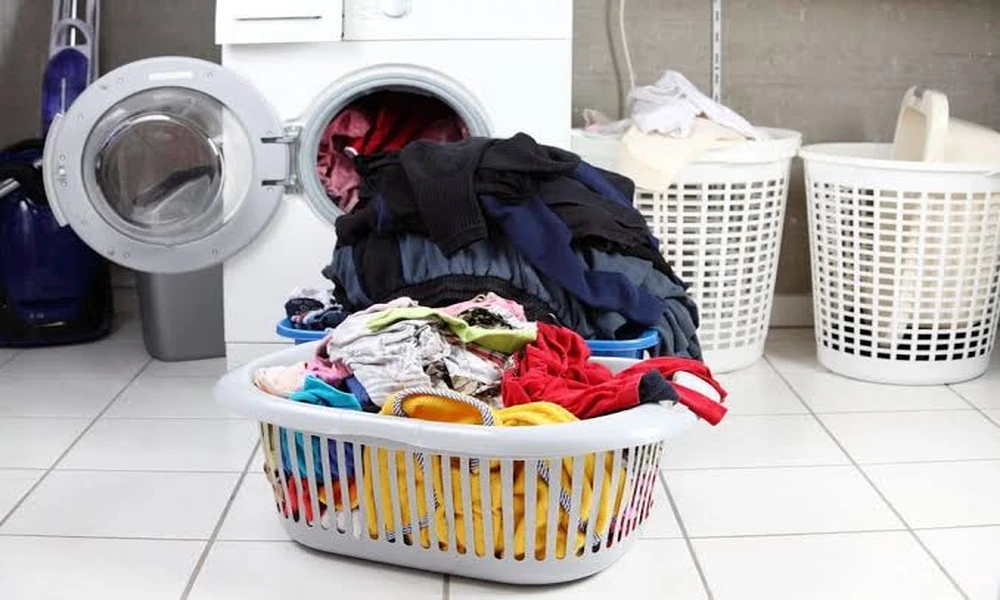
Restaurants and catering businesses depend on cleanliness, presentation, and consistent service to create a positive dining experience. While food quality and customer service receive considerable attention, the cleanliness of table linens, kitchen towels, chef uniforms, and other fabric items is equally important. Proper laundry management helps maintain hygiene standards, protect fabric quality, and ensure that clean textiles are always available during busy service hours. Effective commercial laundry for restaurants is therefore an essential part of daily hospitality operations.
Maintaining Hygiene and Cleanliness in Food Service
Restaurants and caterers handle different types of fabrics throughout the day, including tablecloths, napkins, aprons, kitchen towels, chef jackets, and cleaning cloths. Each item serves a specific purpose and requires appropriate washing practices to remove grease, food stains, moisture, and other contaminants. Treating all fabrics in the same way may reduce cleaning effectiveness and cause unnecessary wear.
Separating laundry according to its intended use is an important part of maintaining hygiene. Kitchen cleaning cloths should be handled separately from dining linens and staff uniforms to reduce the risk of cross-contamination. Heavily soiled textiles may also require a different washing process from lightly used items. Appropriate detergents, suitable water temperatures, and effective washing cycles help remove dirt while preserving the condition of the fabric.
Proper drying is equally important. Fabrics should be dried thoroughly before storage because lingering moisture can encourage unpleasant odors and microbial growth. Clean laundry should be stored in a dry, protected area away from dirty textiles, food preparation surfaces, and cleaning chemicals. These practices help restaurants maintain a consistent standard of cleanliness throughout their operations.
Improving Laundry Efficiency in Restaurants and Catering Businesses
Laundry requirements can change significantly depending on restaurant capacity, menu type, customer volume, and the number of catering events scheduled. A small restaurant may manage a relatively predictable daily load, whereas a catering company serving weddings, corporate functions, or large gatherings may experience substantial fluctuations in demand.
A well-organized laundry routine helps businesses prepare for these changing requirements. Establishing a regular collection and washing schedule ensures that used textiles are processed promptly and clean replacements are available when needed. Maintaining an adequate inventory of napkins, tablecloths, and uniforms also prevents shortages during peak service periods.
Commercial laundry for restaurants can support operational efficiency by providing access to equipment and processes designed for larger textile volumes. Professional laundry facilities may use industrial washers, commercial dryers, and fabric-specific cleaning methods to handle demanding workloads. Outsourcing laundry can be particularly useful for businesses that lack sufficient space, equipment, staff, or time to manage every stage of the process internally.
However, choosing an appropriate laundry arrangement requires attention to turnaround times, collection schedules, cleaning standards, and pricing. Restaurants should ensure that their laundry provider can accommodate their busiest periods without compromising the quality or availability of essential textiles.
Protecting Fabrics and Controlling Laundry Costs
Frequent washing is unavoidable in hospitality environments, but poor laundry practices can shorten fabric life and increase replacement expenses. Excessive detergent, unsuitable temperatures, overloading machines, and aggressive washing cycles may cause fading, shrinkage, weakened fibers, or persistent residue. Following fabric care instructions and selecting suitable cleaning methods can help preserve textiles for longer.
Stain management also plays an important role in controlling costs. Treating grease, sauces, coffee, and other common restaurant stains promptly can improve washing results and reduce the likelihood of permanent discoloration. Separating white linens from colored fabrics helps prevent color transfer and keeps dining textiles looking presentable.
Water and energy consumption deserve equal consideration. Running appropriately sized loads, maintaining laundry equipment, and using efficient drying methods can help reduce operating expenses. Businesses should also review laundry usage regularly to identify unnecessary losses, excessive linen consumption, or recurring fabric damage.
Ultimately, successful laundry management combines hygiene, efficiency, and careful cost control. By establishing consistent procedures, maintaining sufficient textile supplies, and selecting suitable cleaning solutions, restaurants and caterers can support smoother daily operations. A reliable commercial laundry routine helps protect fabric investments while ensuring that guests encounter clean, fresh, and professionally presented textiles at every dining occasion.
